The English Masters
of Caricature
18th-century England produced the most ferocious satirists in history. 28 original works.
Why did England dominate caricature in the 18th century?
In the 18th and 19th centuries, England experienced a period of unparalleled press freedom that fostered a Golden Age of satire — relayed by a network of print shops where Londoners came to admire the latest satirical prints.
Bunbury, Henry William (1750–1811)
An amateur English caricaturist known for his humorous drawings of social life. In contrast to the ferocious style of his contemporary Gillray, his work is characterised by elegance and an absence of malice. He drew English society from the inside — with affection, not venom.
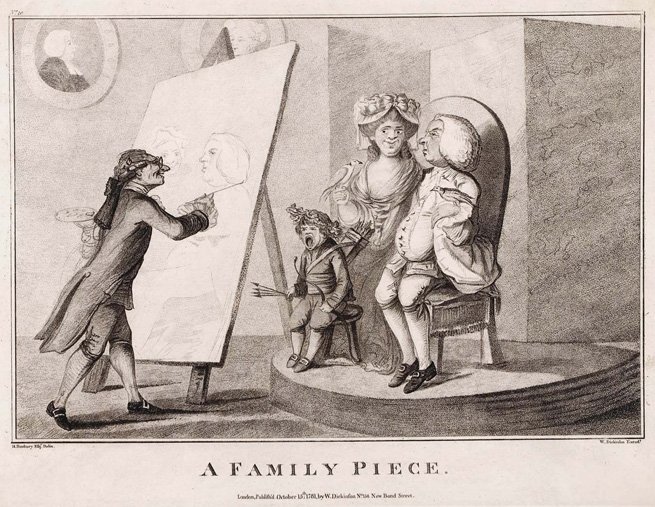
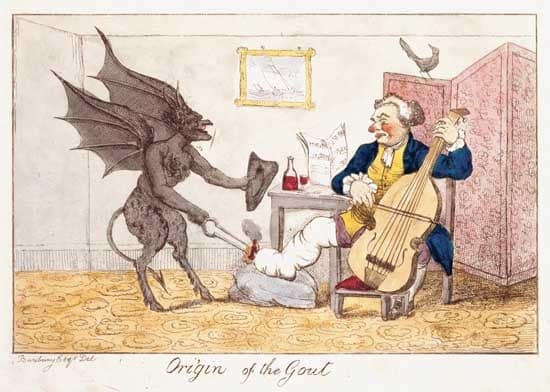
2 works · Henry William Bunbury · click to enlarge
James Gillray (1756–1815)
James Gillray is the undisputed master of English caricature. With unprecedented violence and inventiveness, he made caricature a formidable political weapon, relentlessly attacking the French Revolution, Napoleon and the British court with equal ferocity. Napoleon loathed him. Pitt the Younger tolerated him. The public adored him.
George Woodward (c. 1760–1809) and Thomas Rowlandson (1757–1827)
George Woodward and Thomas Rowlandson formed an iconic duo of social satire. Woodward provided the ideas, Rowlandson the expressive line. Inspired by Gulliver’s Travels, they used the miniature world of Lilliput to mock English society and make human vanity ridiculous.
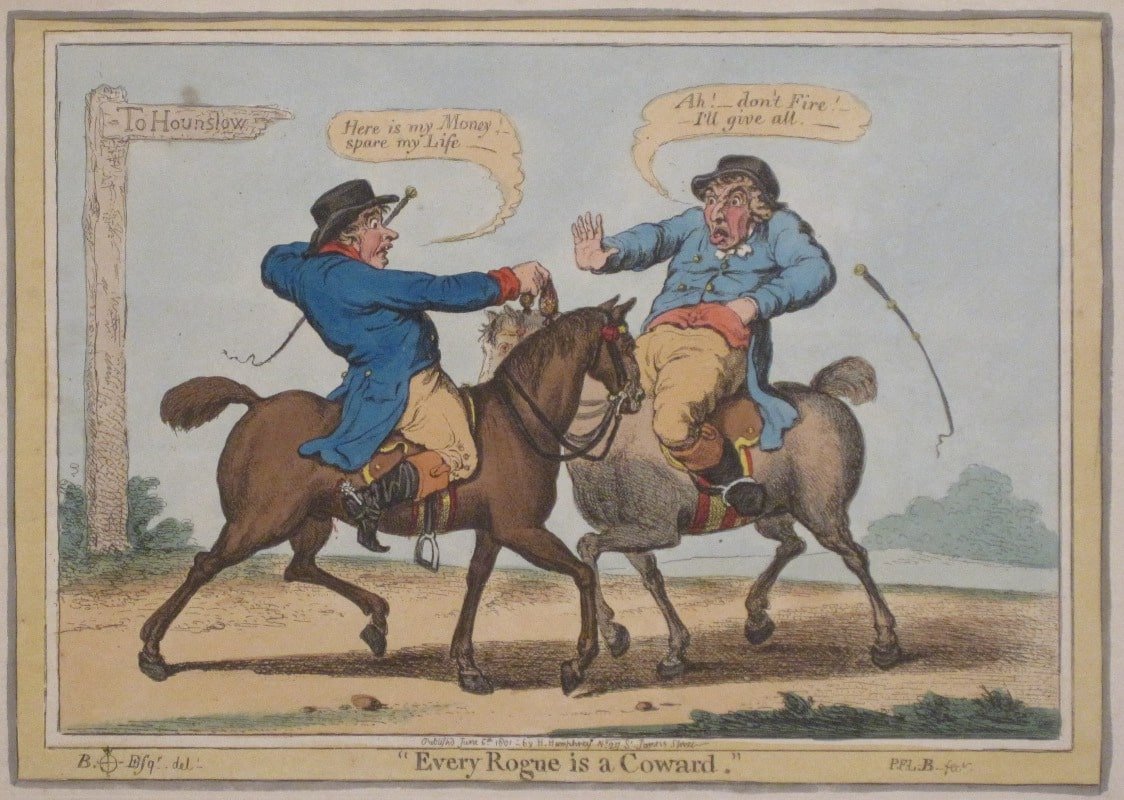
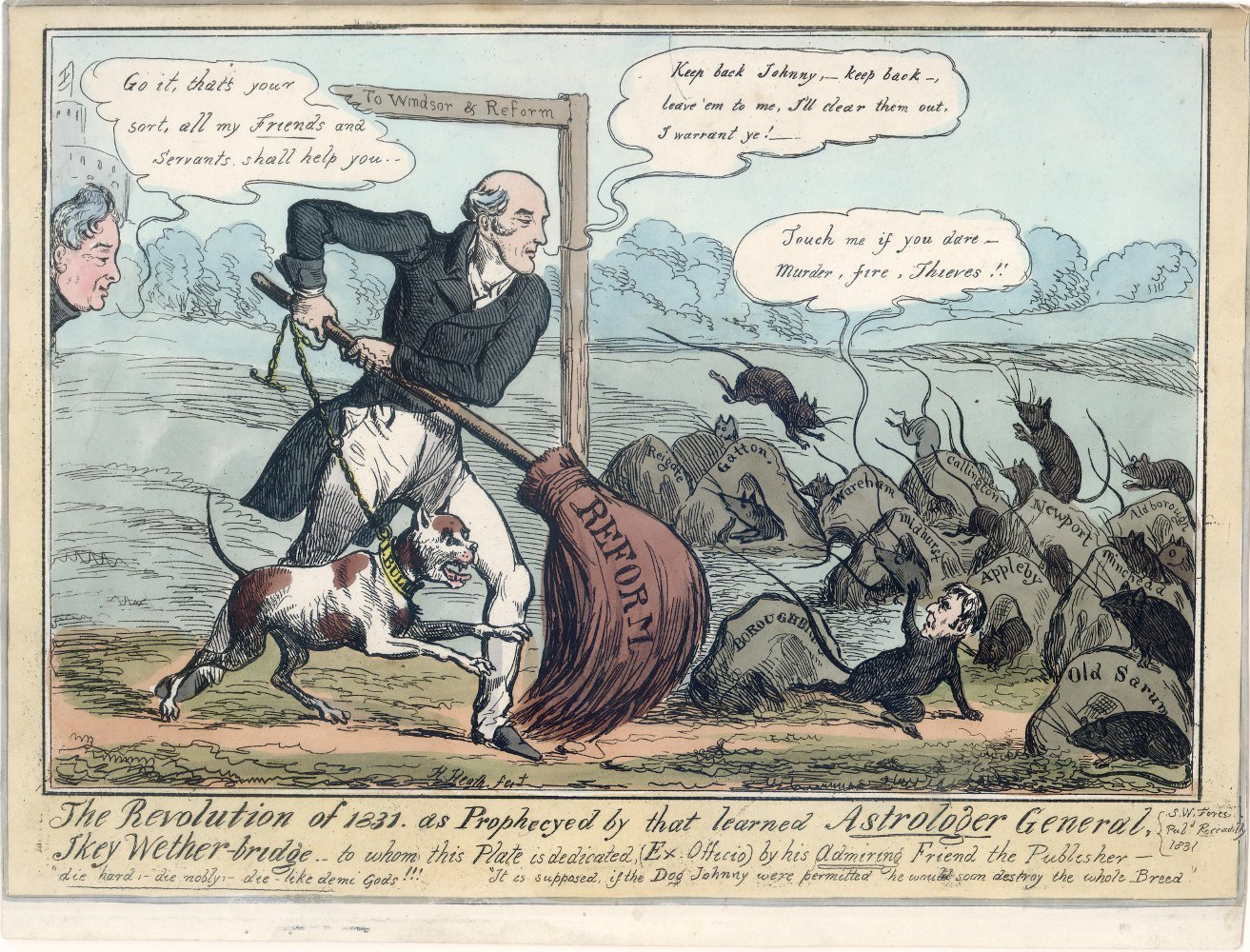
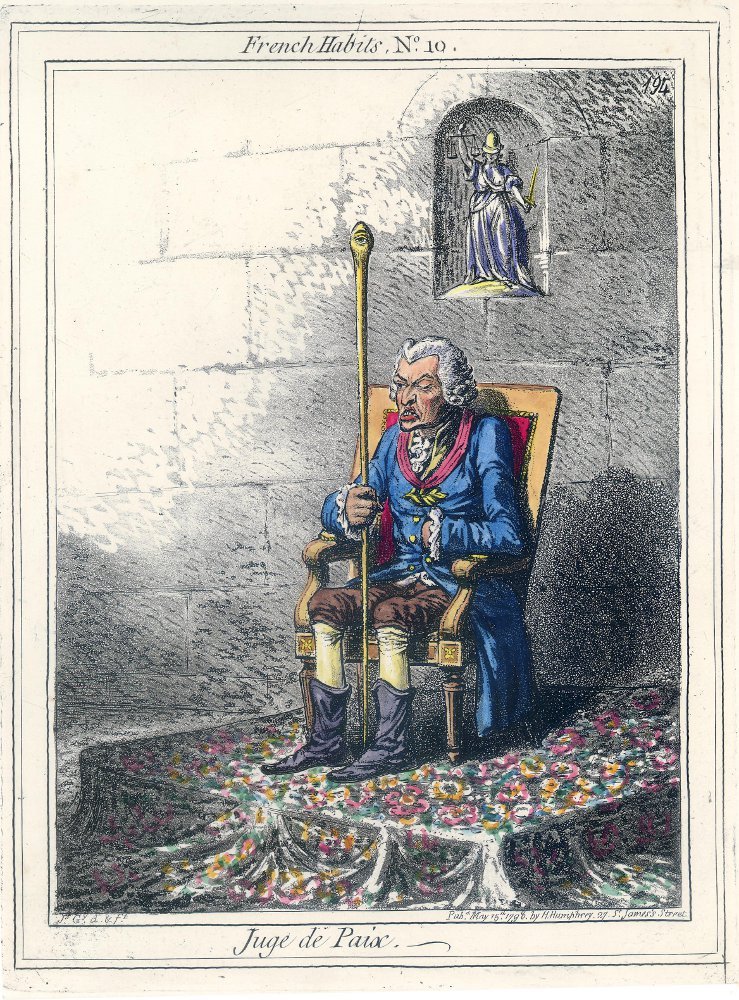
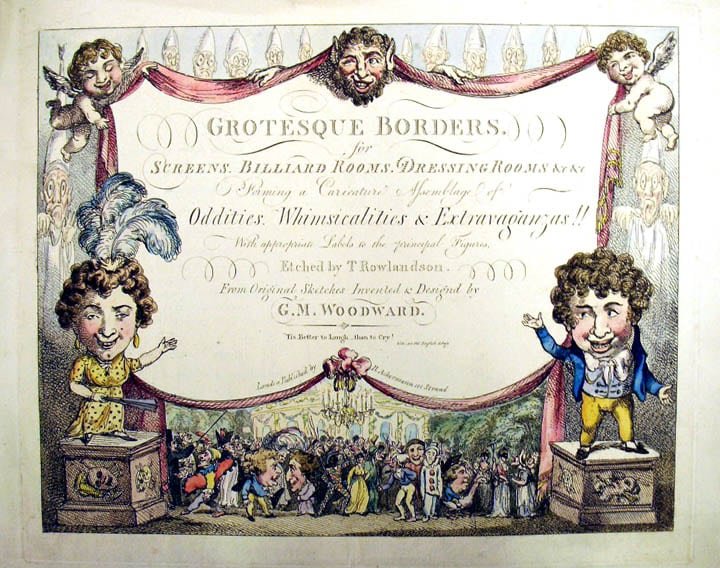
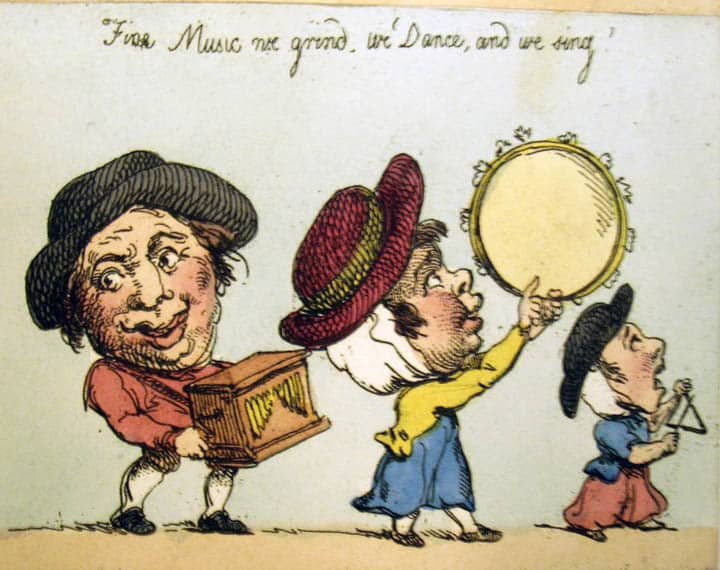
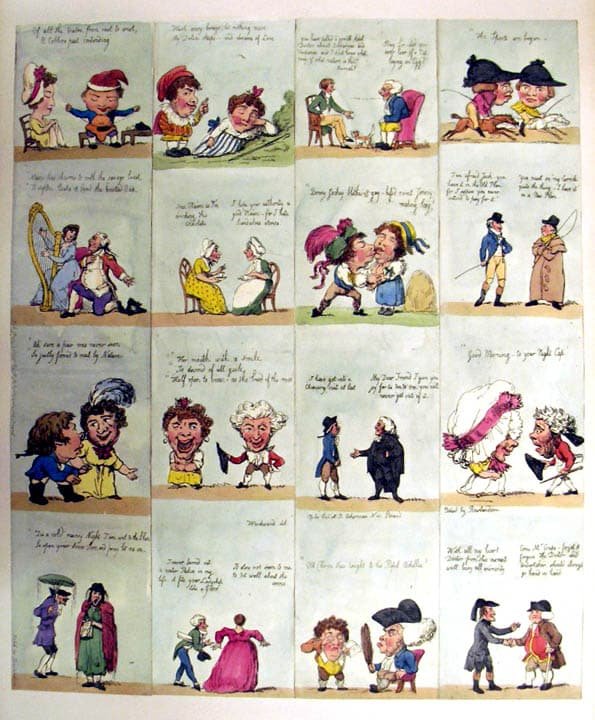
6 works · Gillray & Woodward · click to enlarge
— Napoleon Bonaparte (attributed)
Cruikshank, Isaac (1764–1811)
Father of the famous George, Isaac was a prominent Scottish printmaker and caricaturist. His style followed in Gillray’s footsteps, blending biting political satire with humorous genre scenes. He founded one of the great dynasties of British caricature.
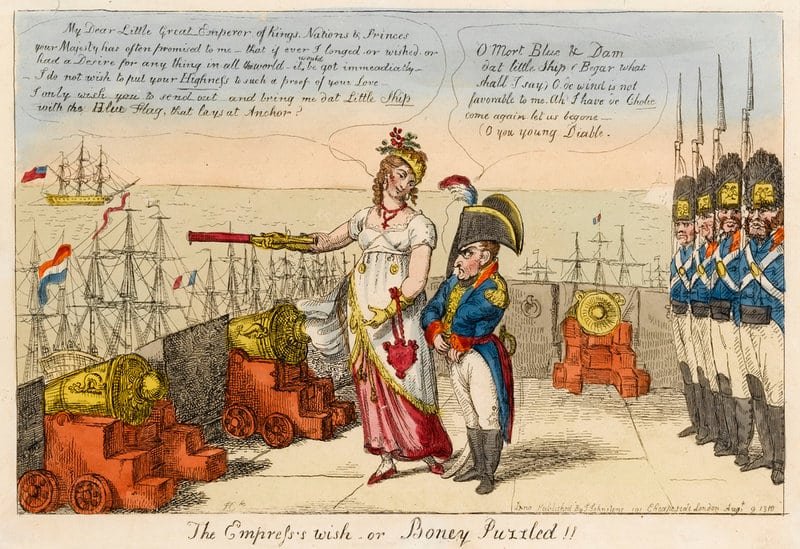
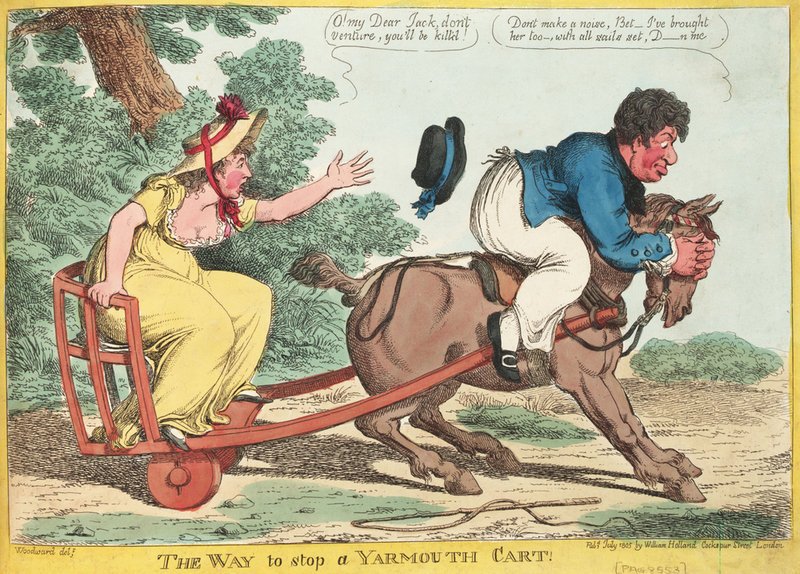
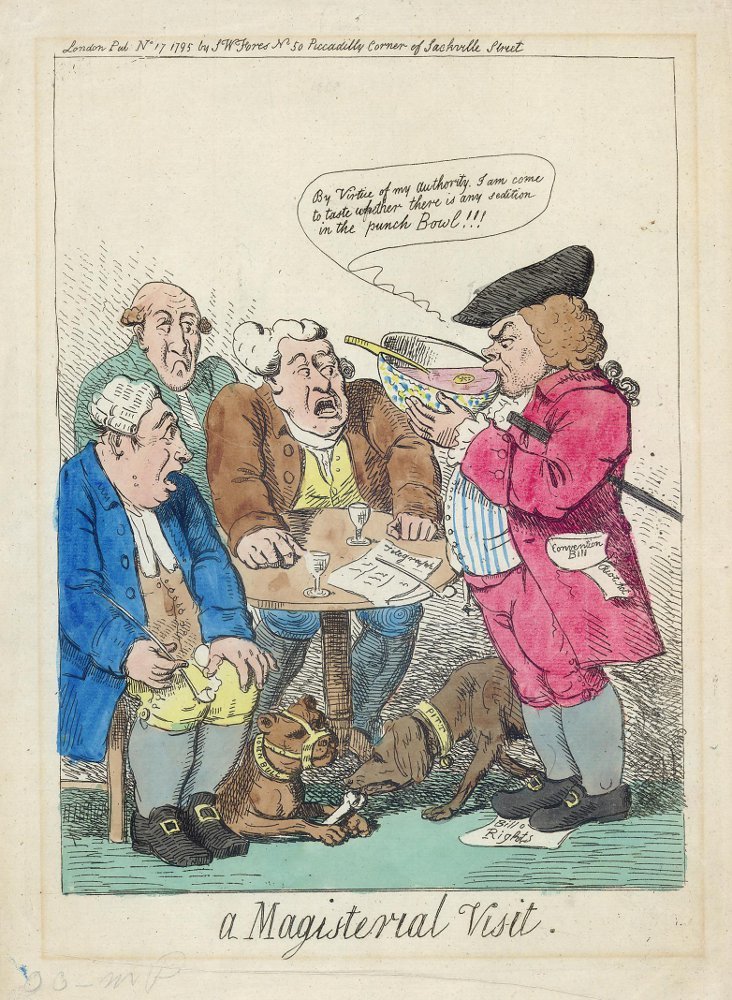
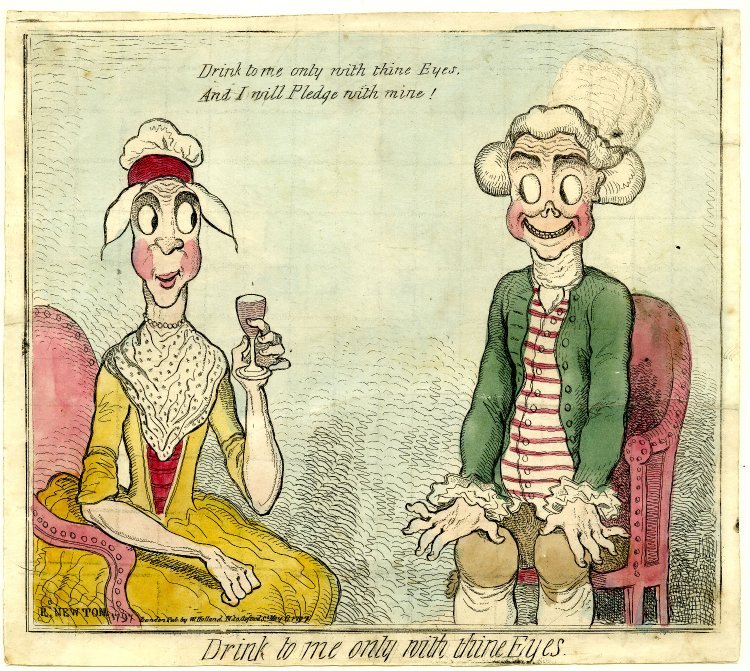
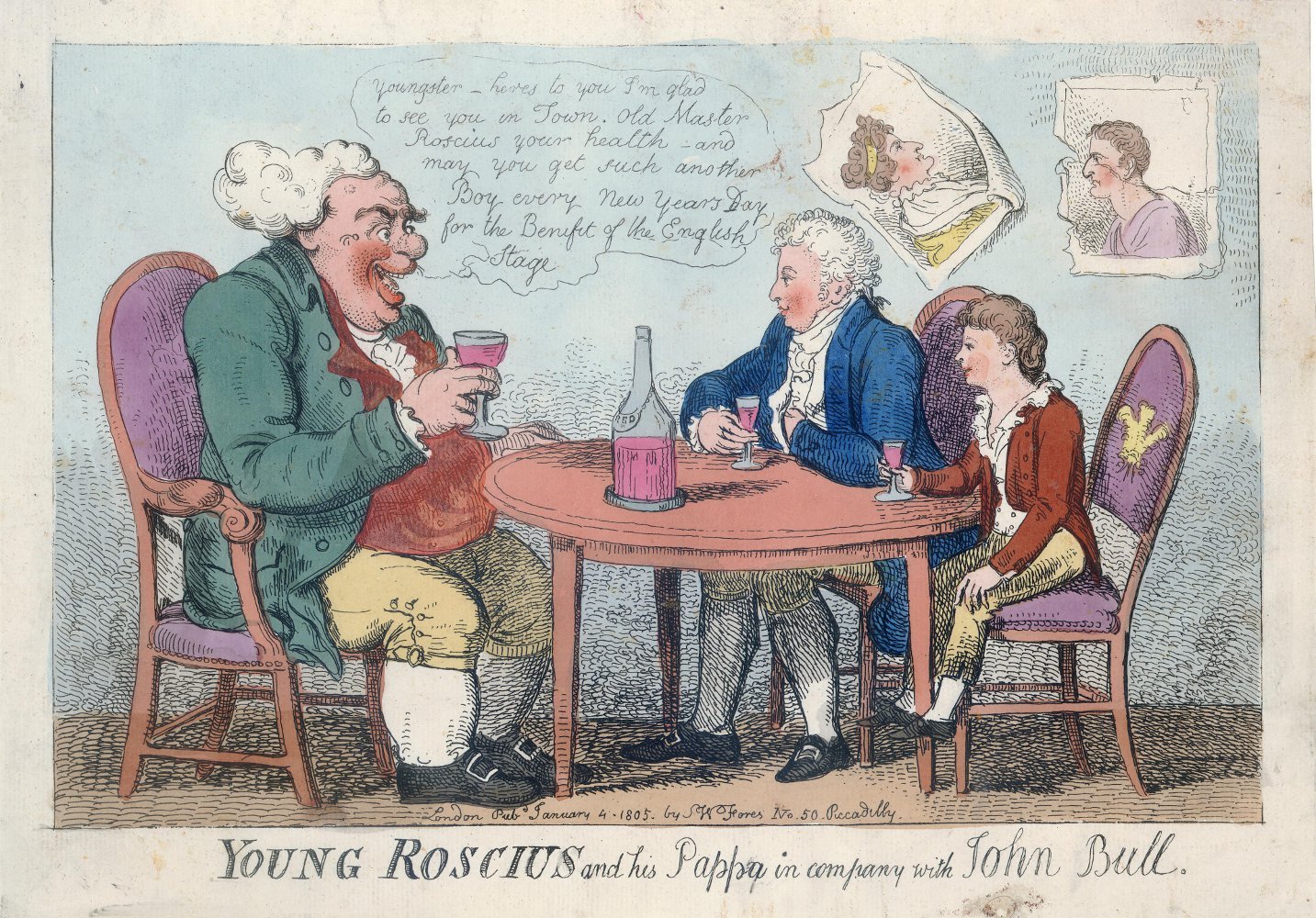
5 works · Isaac Cruikshank · click to enlarge
Cruikshank, George (1792–1878)
Son of Isaac, George Cruikshank became the leading satirist of his time — Gillray’s direct successor. He is also famous for illustrating Charles Dickens’s novels, including Oliver Twist. His vast body of work covers political satire, social criticism, and a passionate campaign against alcoholism.
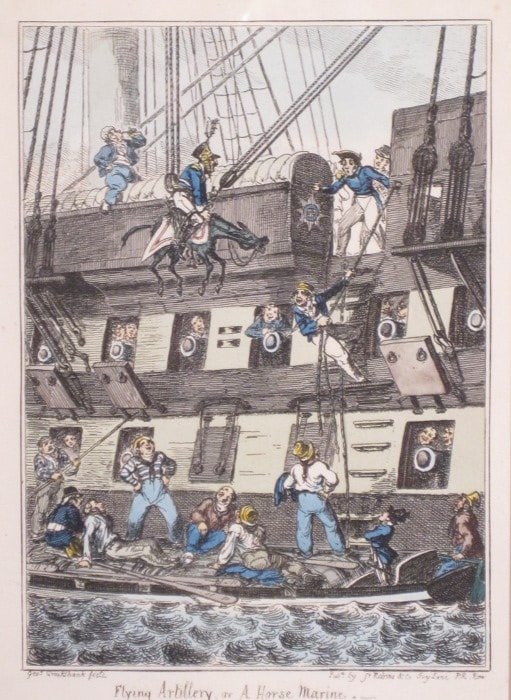
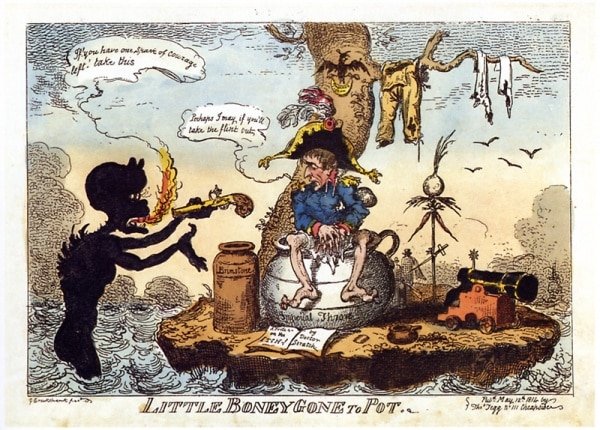
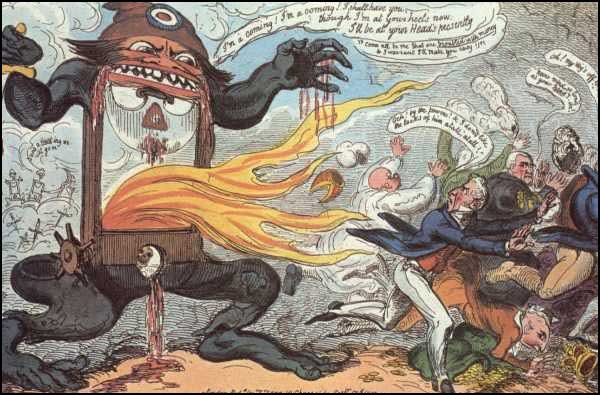
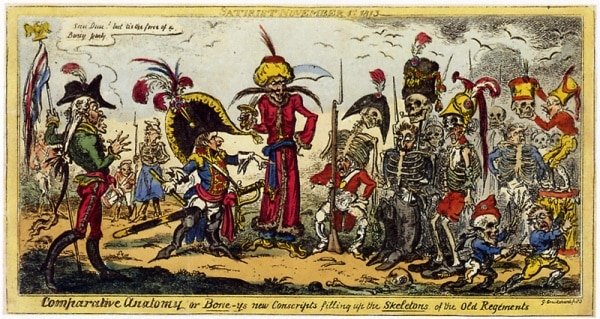
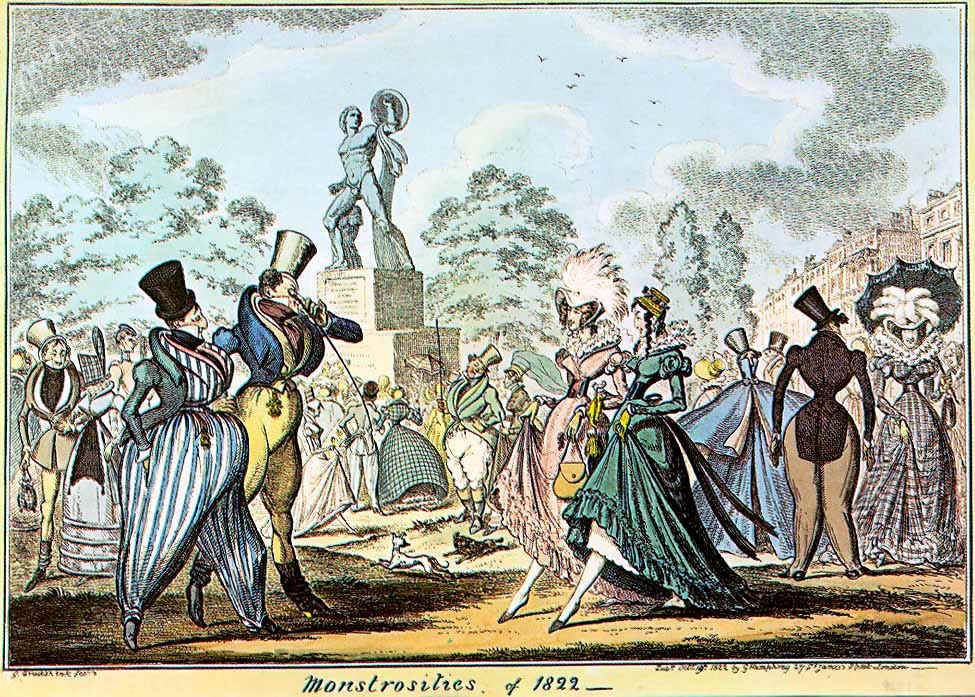
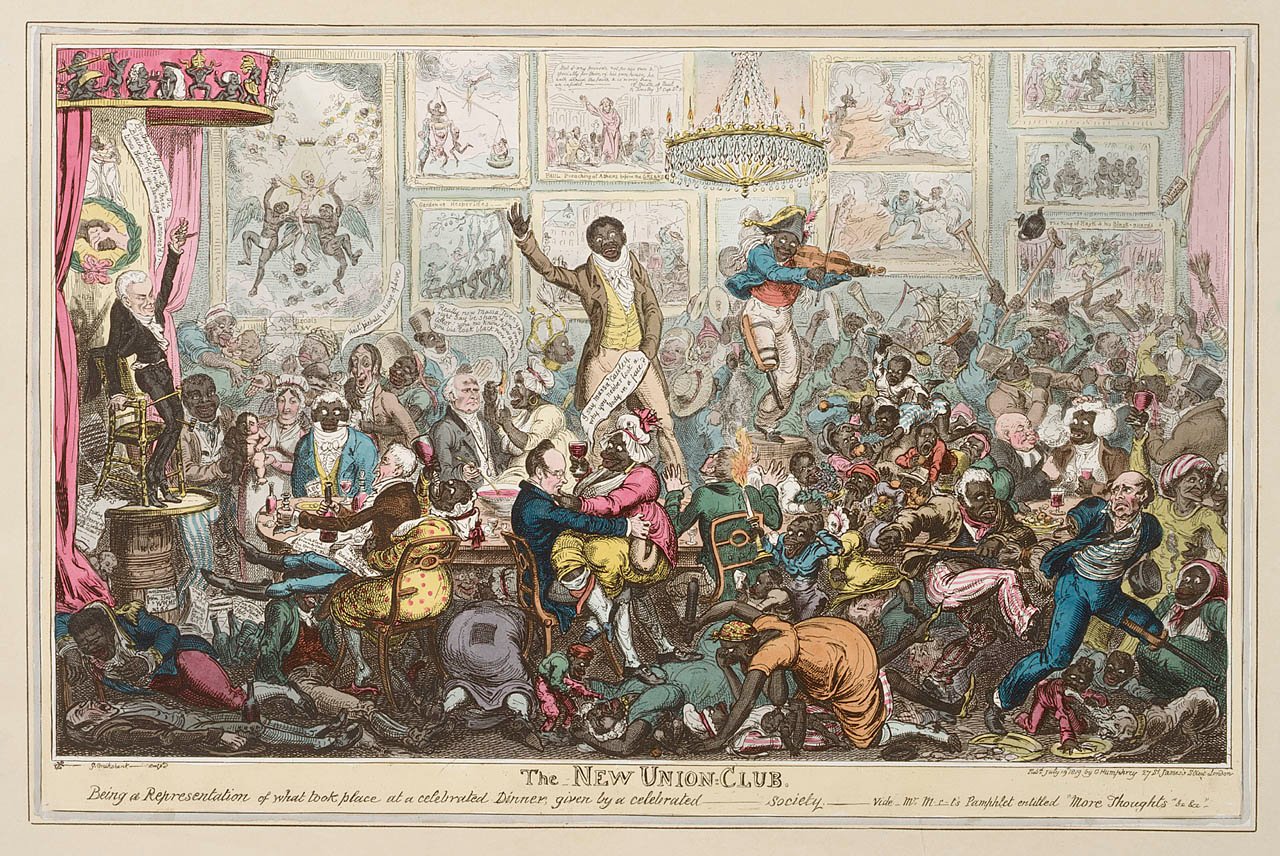
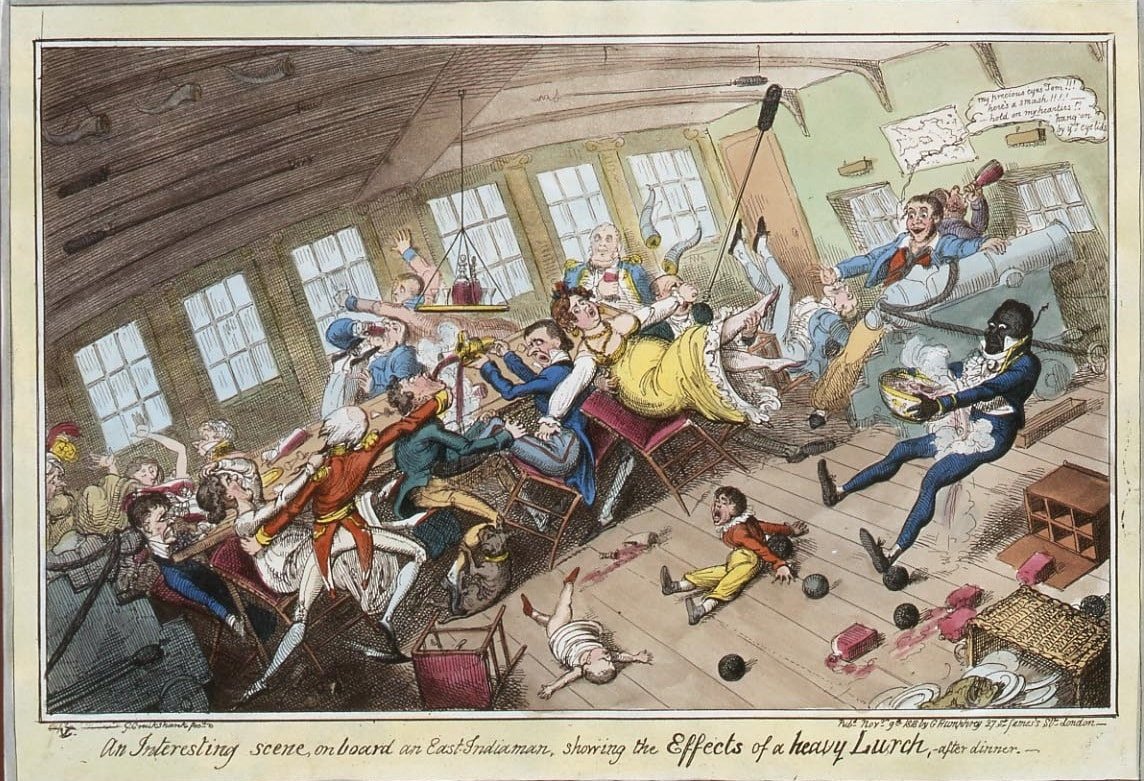

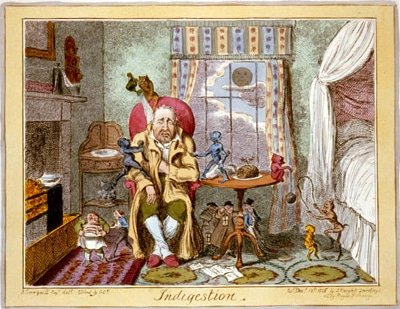
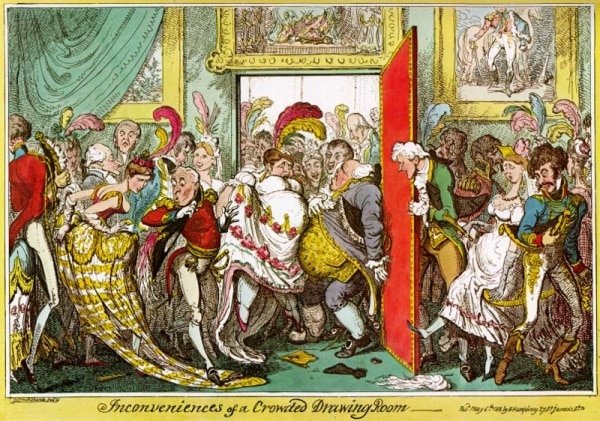
10 works · George Cruikshank · click to enlarge
Doyle, John (1797–1868)
An Irish political caricaturist who introduced a more restrained, less grotesque style. His lithographs looked like realistic portraits — requiring viewers to interpret the situation to understand the satire. He hid behind the initials “HB” for years, and the mystery of his identity became part of his fame.
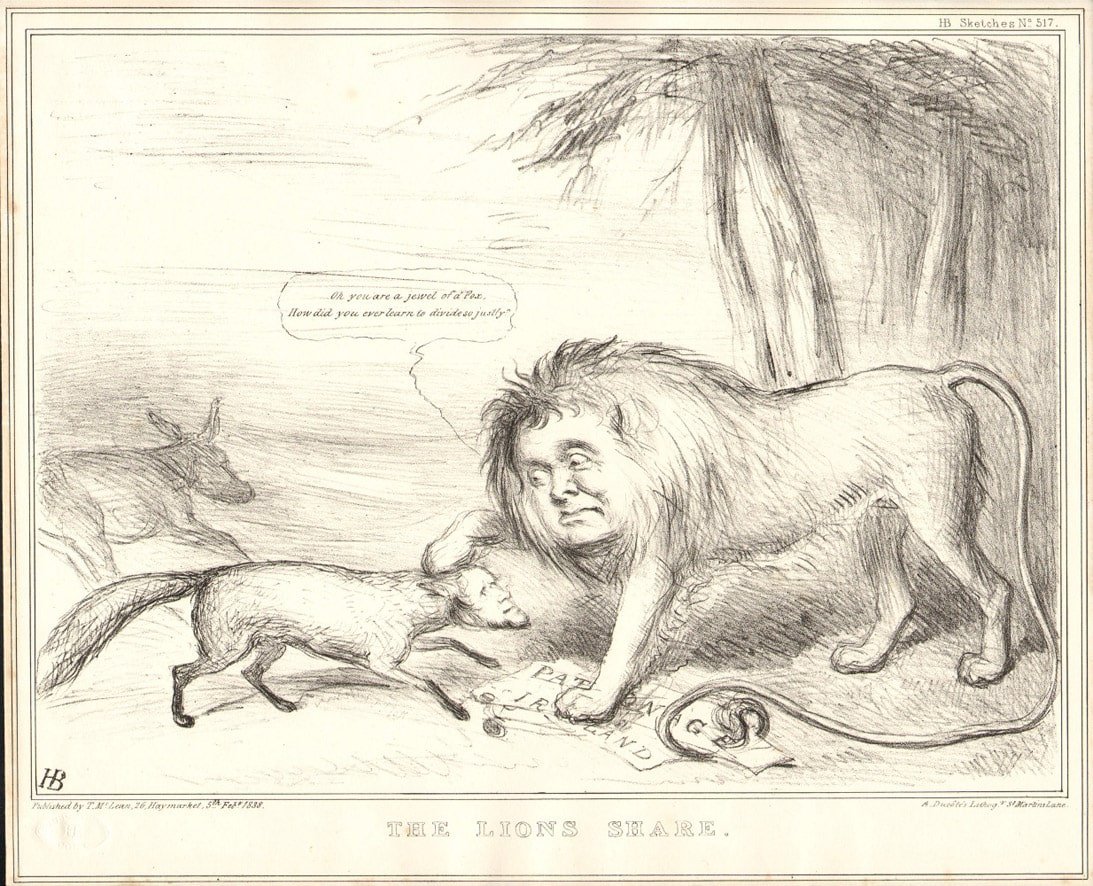
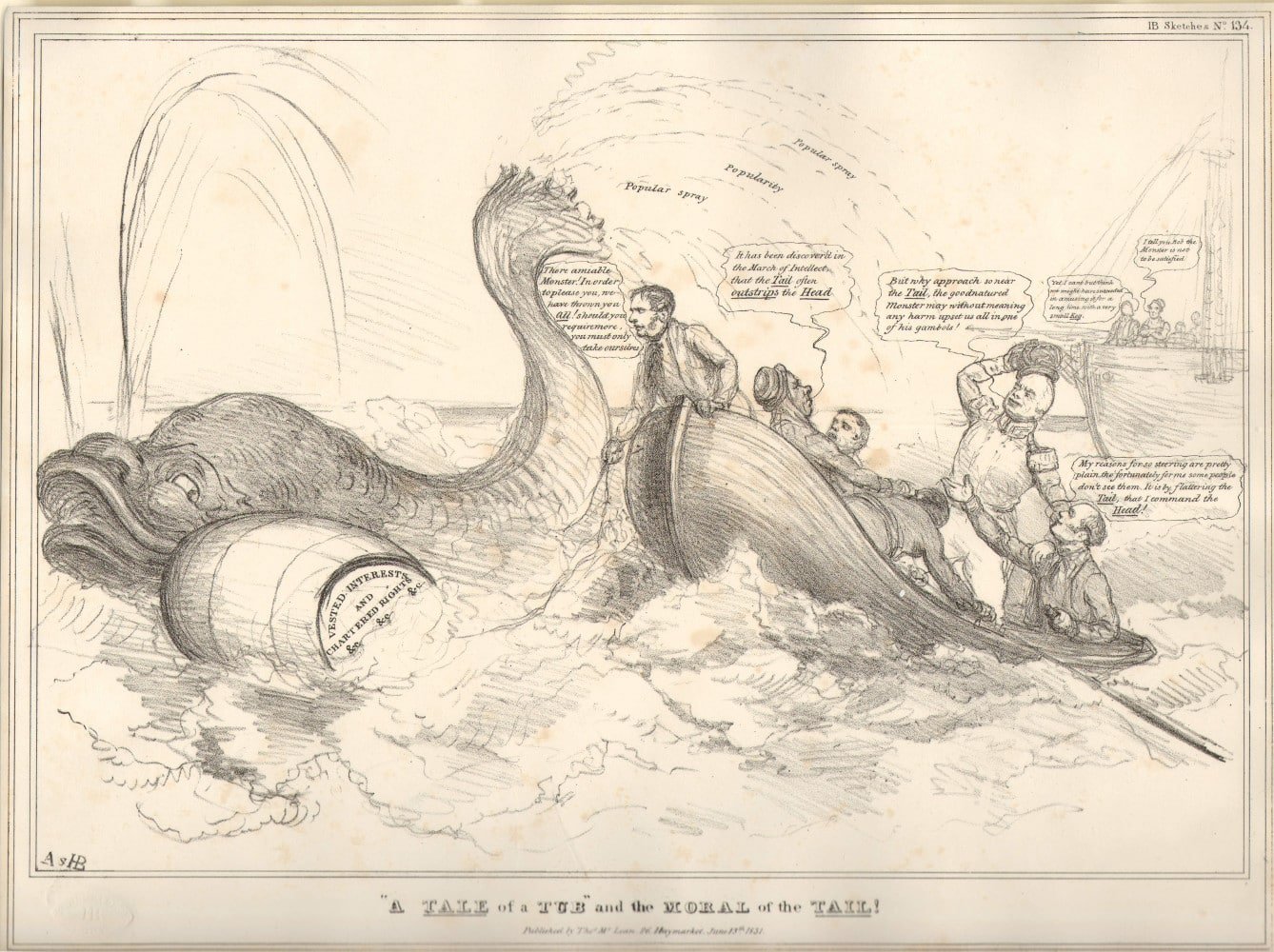
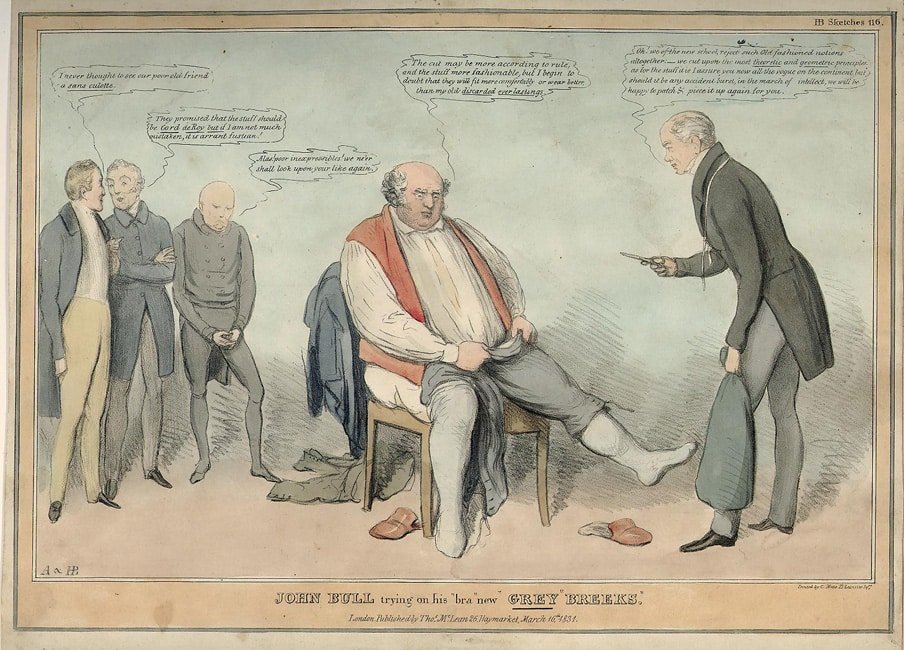
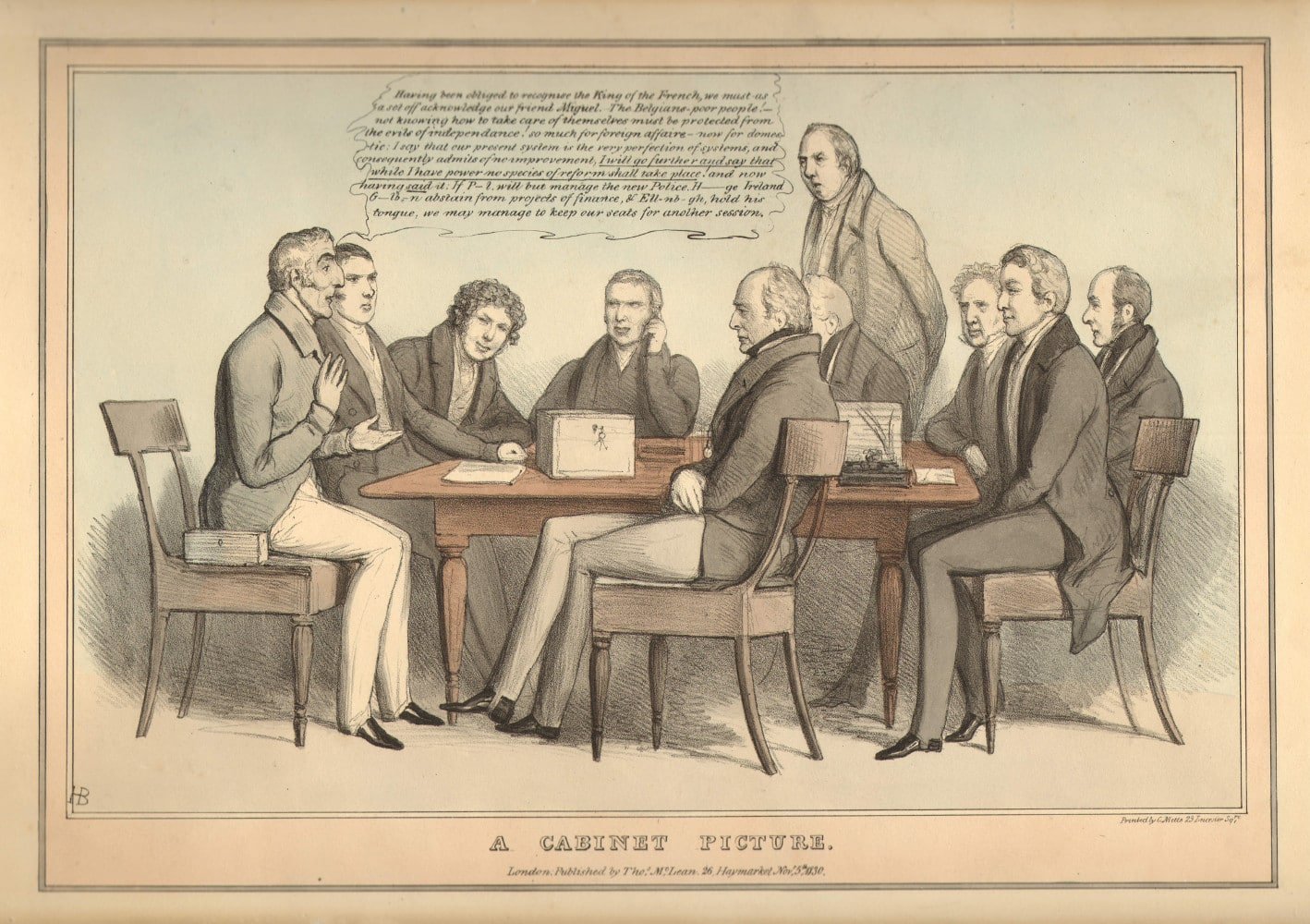
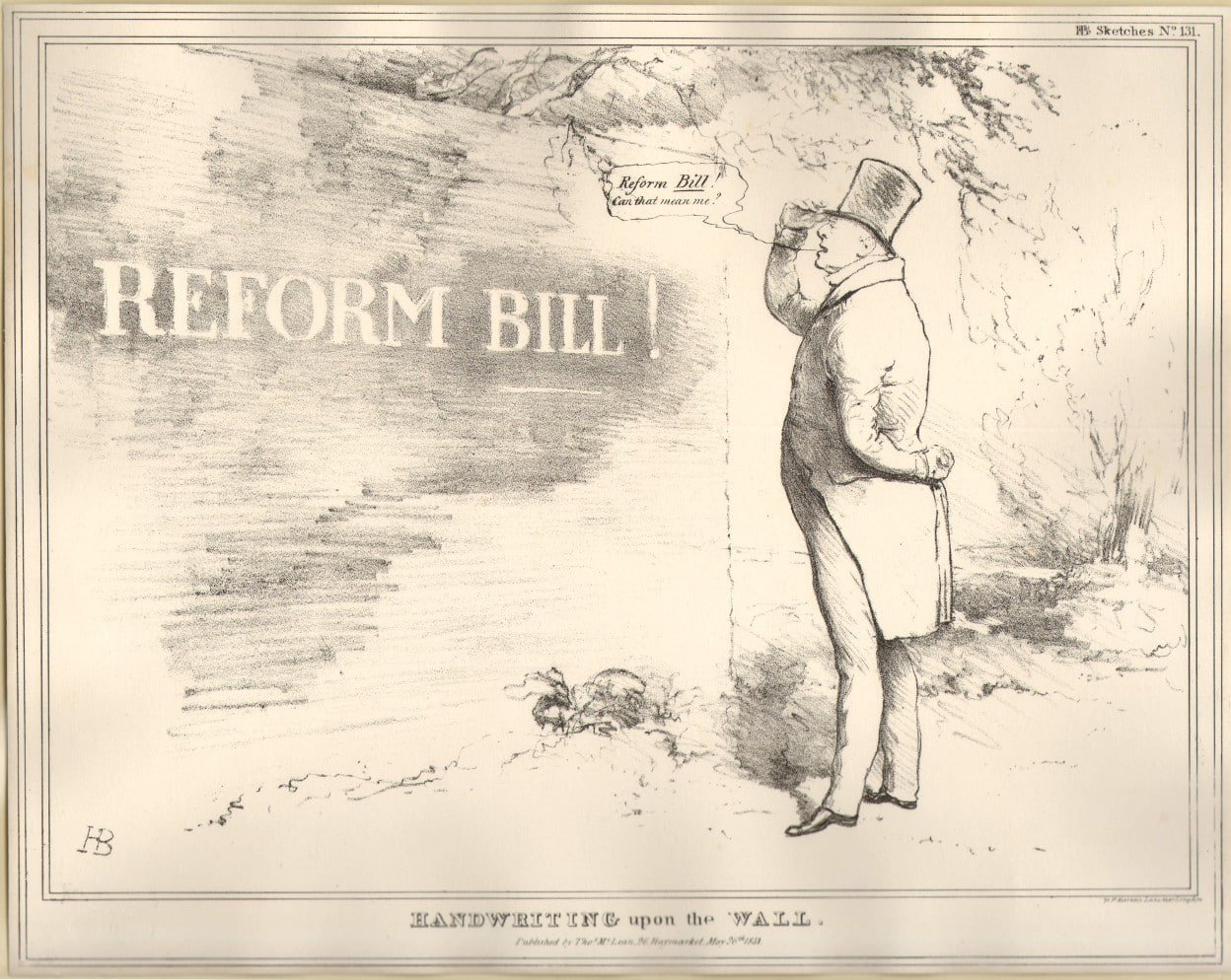
5 works · John Doyle HB · click to enlarge
Elsewhere in Culture
In brief
- In the 18th and 19th centuries, England enjoyed far greater press freedom than France, relayed by a network of print shops where Londoners came to admire the latest satirical prints.
- James Gillray is the undisputed master of English caricature: with unprecedented violence and inventiveness, he defined the image of Napoleon in Europe — “A Gillray caricature did me more harm than a dozen lost battles” (attributed to Napoleon).
- George Cruikshank, Gillray’s successor, is also famous for illustrating Charles Dickens’s novels; John Doyle (“HB”) began the transition towards modern, restrained, realistic satire.
- This chapter presents 28 annotated works — the largest gallery in the encyclopedia.
| Artist | Target / theme | Style | Impact |
|---|---|---|---|
| James Gillray | Politics, Napoleon, Royalty | Grotesque, overloaded, virulent | Defined the image of Napoleon in Europe |
| Thomas Rowlandson | Social manners, daily life | Fluid line, watercolour | Chronicler of Georgian society |
| Isaac Cruikshank | Politics and manners | Hand-coloured prints | Father of George Cruikshank |
| George Cruikshank | Social reform, Napoleon | Profusion of detail | Dickens’s illustrator |
| John Doyle (HB) | Parliamentary politics | Soft, elegant lithography | Transition to modern satire |
— Sébastien Rieu