The Early Italian Masters
of Caricature
Modern caricature was born in 16th-century Italy. Long before Gillray terrified Napoleon and Daumier went to prison for mocking a king, Italian scholars and artists were theorising the art of facial exaggeration — and making it look like a game.
Who invented caricature?
Italy is the cradle of caricature. It was in Bologna, around 1590, that the brothers Annibale and Agostino Carracci amused themselves among friends by “loading” (caricare) the portraits of their contemporaries. These drawings were never intended for publication: it was a private studio game.
Porta, Giambattista della (1535–1615)
Giambattista della Porta was a Renaissance Italian scholar who theorised physiognomy — the art of inferring character from facial features. He was not a caricaturist in the modern sense, but his work provided a “scientific” basis for the idea that comparing a person to an animal could reveal their true essence. His book De humana physiognomonia (1586) systematically compared human facial types with animal faces — cow, dog, sheep, lion — and argued that the resemblance was not coincidental but revealed character. Without Porta, there is no Daumier.
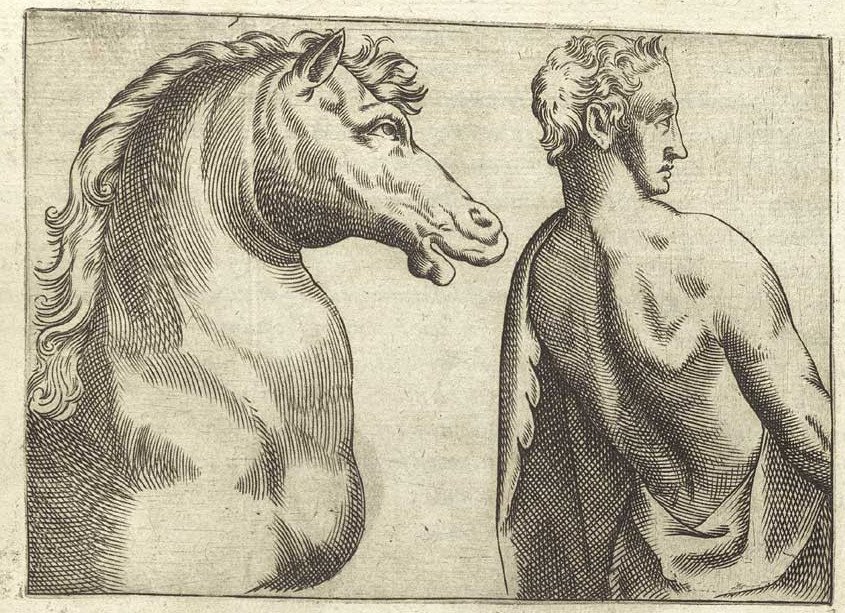
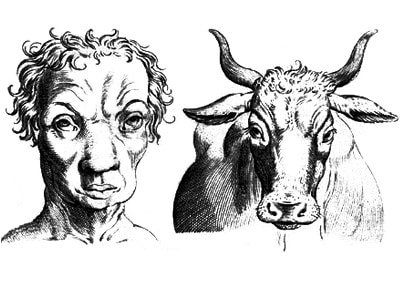
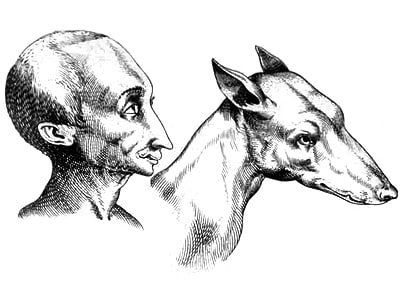
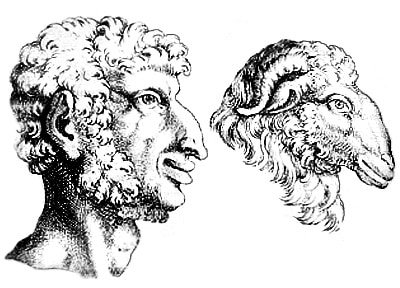
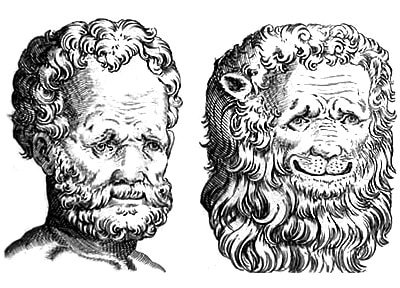
5 works · Giambattista della Porta · click to enlarge
Mola, Pier Francesco (1612–1666)
Pier Francesco Mola was an Italian Baroque painter who produced satirical drawings in the style of the Carracci brothers. For him, caricature was not a tool for public criticism but rather an intellectual amusement intended for his circle of friends. He drew clerics with the same mischievous eye that Ghezzi would later direct at cardinals.
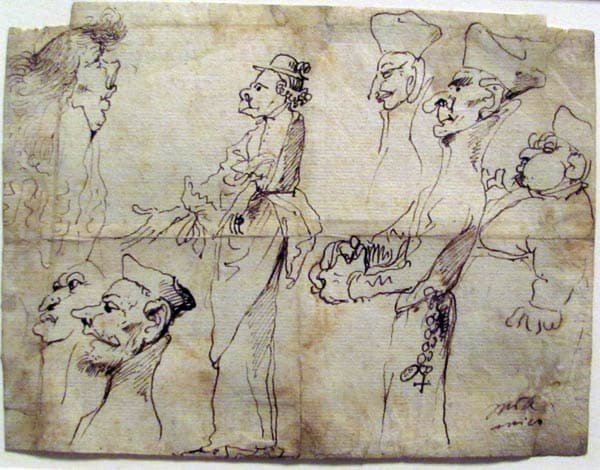
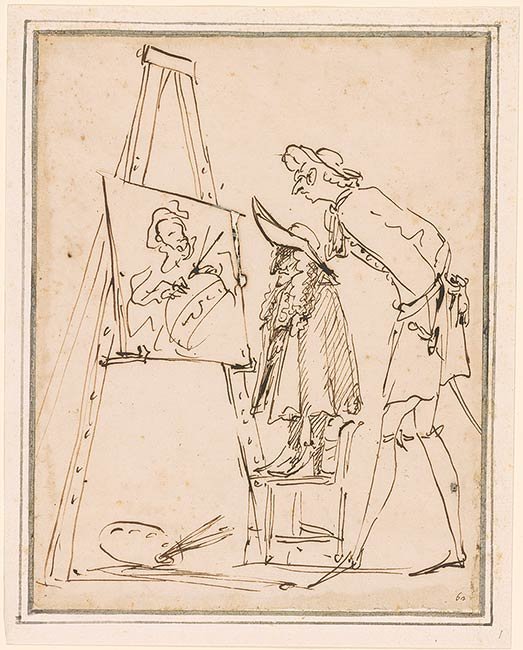
2 works · Pier Francesco Mola · click to enlarge
Ghezzi, Pier Leone (1674–1755)
Pier Leone Ghezzi is considered one of the first “professional” caricaturists — he sketched travellers, artists, cardinals and socialites in Rome and sold his drawings. He had a mischievous eye and a confident line, and he understood that the market for satirical portraits was enormous if you drew the right people in the right city. Rome in the 18th century was exactly that city.
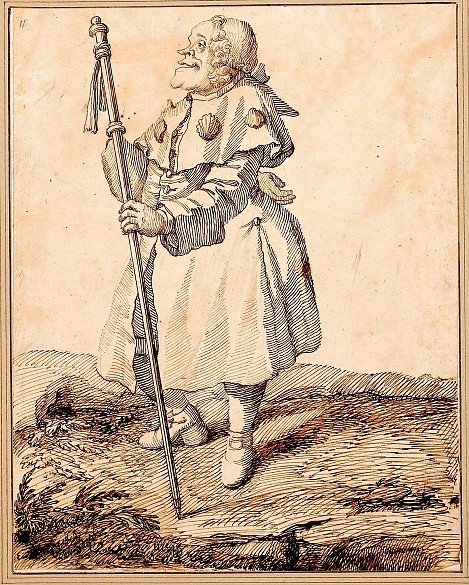
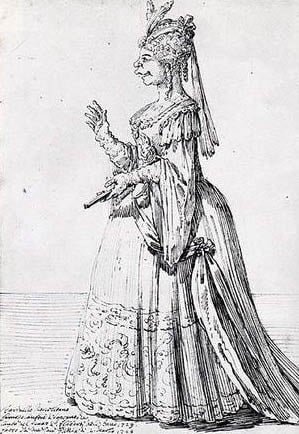
2 works · Pier Leone Ghezzi · click to enlarge
Zanetti, Antonio Maria (1680–1767)
Antonio Maria Zanetti was a Venetian engraver and art critic who contributed to the popularisation of caricature across Europe. A passionate collector and a figure of the Venetian cultural world, he produced numerous caricatured portraits of prominent figures of his time — particularly opera singers, who were the celebrities of the 18th century.
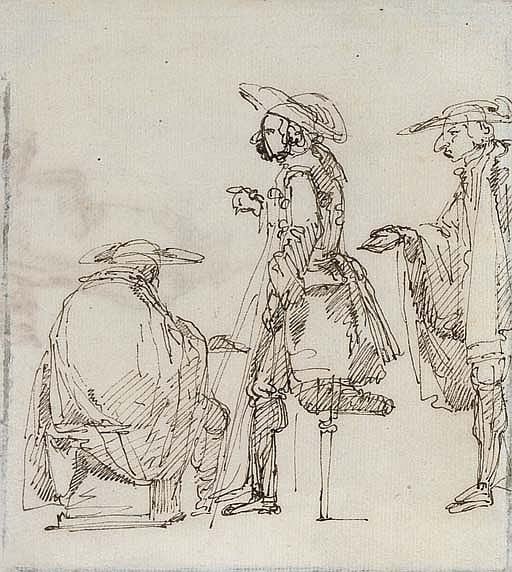
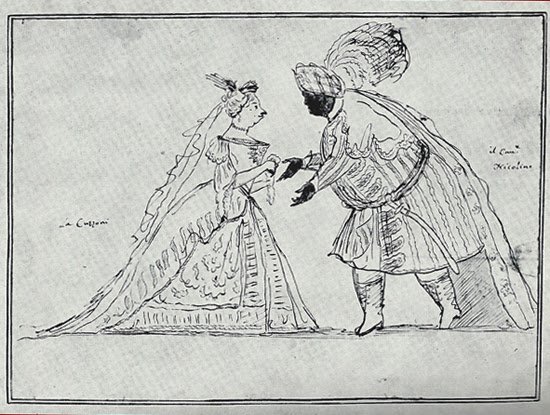
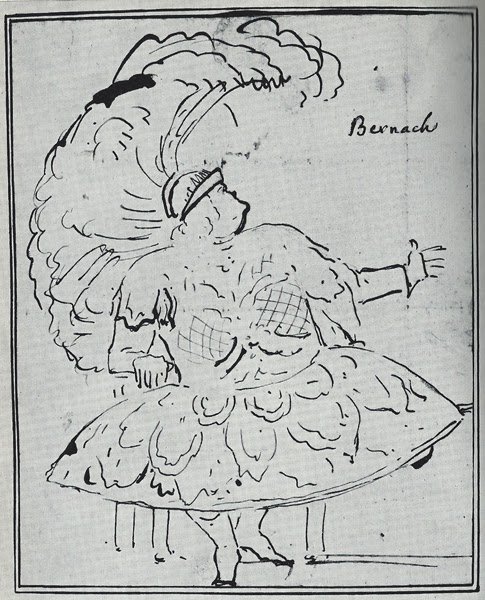
3 works · Anton Maria Zanetti · click to enlarge
Elsewhere in Culture
In brief
- Modern caricature was born in Bologna, around 1590: the brothers Annibale and Agostino Carracci “loaded” the portraits of their contemporaries — a private studio game, never intended for publication.
- Giambattista della Porta theorised physiognomy: correspondences between human facial features and those of animals, the “scientific” basis of the portrait-charge.
- Pier Leone Ghezzi is considered one of the first professional caricaturists: based in Rome, he sketched tourists, artists and cardinals, then sold his drawings.
- This chapter presents 12 annotated works, from della Porta to Zanetti — born as a studio game, caricature ended up toppling kings.
| Artist | Century | Key Contribution | Masterpiece |
|---|---|---|---|
| Giambattista della Porta | 16th | Physiognomy — human/animal comparison | De humana physiognomonia (1586) |
| Pier Francesco Mola | 17th | Satirical drawings for his circle | Pen caricatures |
| Pier Leone Ghezzi | 18th | First “professional” caricaturist — sold his work | Roman caricature albums |
| Anton Maria Zanetti | 18th | Opera singer caricatures — popularised the art in Europe | Venetian prints |
— Sébastien Rieu