Honoré Daumier,
the Monument of Caricature
Daumier (1808–1879), the monument of French satire. 4,000 lithographs in 40 years for Le Charivari. 19 works in the gallery.
Who was Honoré Daumier (1808–1879)?
Honoré Daumier (1808–1879) was born in Marseille, the son of a glazier who dreamed of being a poet. The family moved to Paris when Daumier was eight. He grew up poor, worked as a bailiff’s clerk, and taught himself to draw. He would become one of the greatest artists France ever produced — though France, characteristically, didn’t notice until he was almost dead.
In 1831 he published Gargantua — a lithograph showing King Louis-Philippe swallowing sacks of gold extracted from the poor people below him. He was sentenced to six months in prison. He served four. He came out and went straight back to drawing.
For the next 40 years, he produced lithographs at an almost daily rate for Le Charivari — the satirical newspaper he effectively made famous. His targets were consistent: the king, the government, the lawyers, the bourgeoisie, the pompous and the corrupt.
He aspired to be recognised as a painter. He produced hundreds of paintings — dark, expressionist, powerful — that the Paris Salon largely ignored. It was Corot, his friend, who eventually bought him the house he lived in when he went blind, so he would not die on the street.
He died in 1879, in Valmondois. He was 70. Victor Hugo organised a retrospective. The world began to understand what it had had.
Gallery — 19 lithographs from Le Charivari
Click each thumbnail to view the full image — navigate with the arrows or the ← → keys.
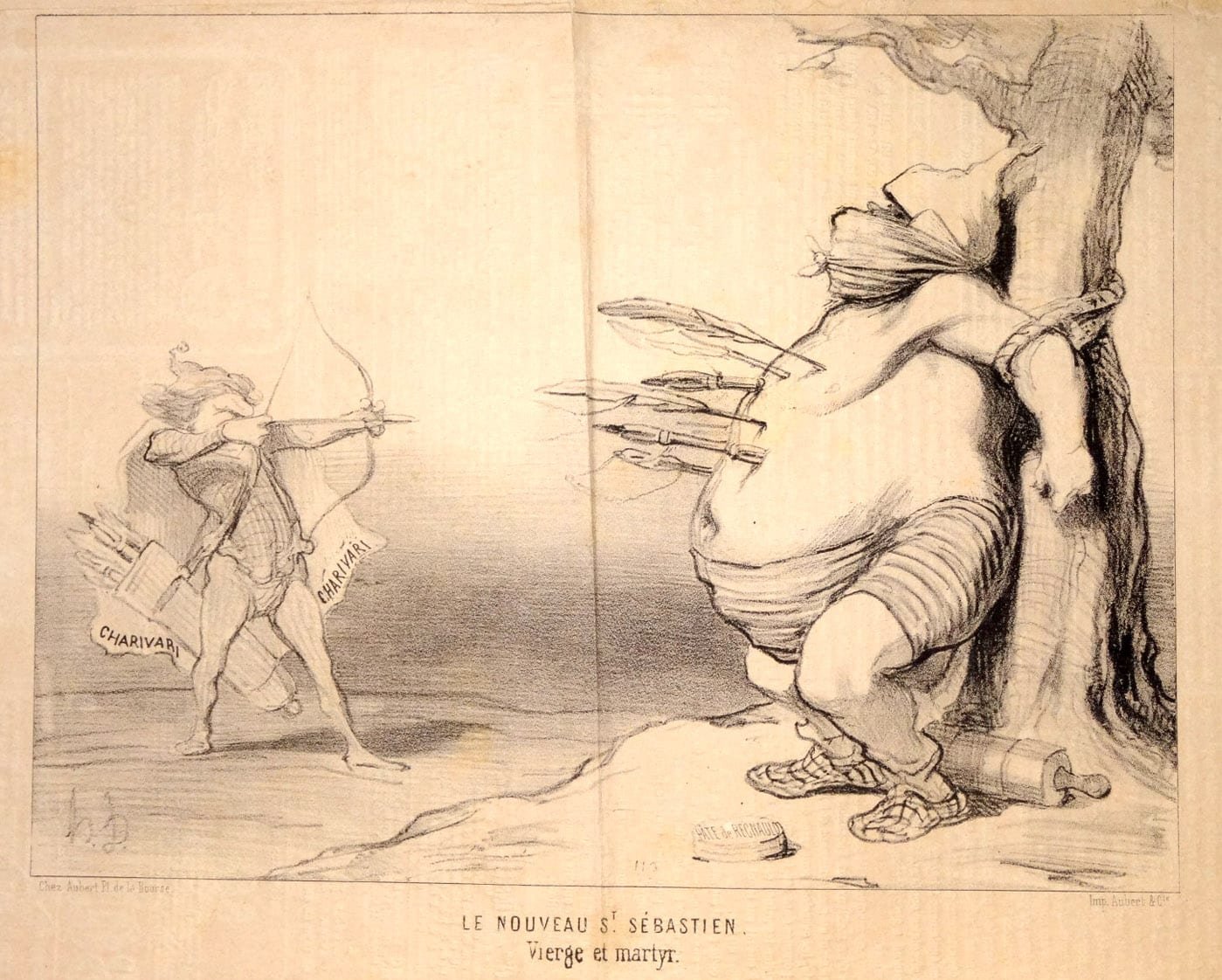
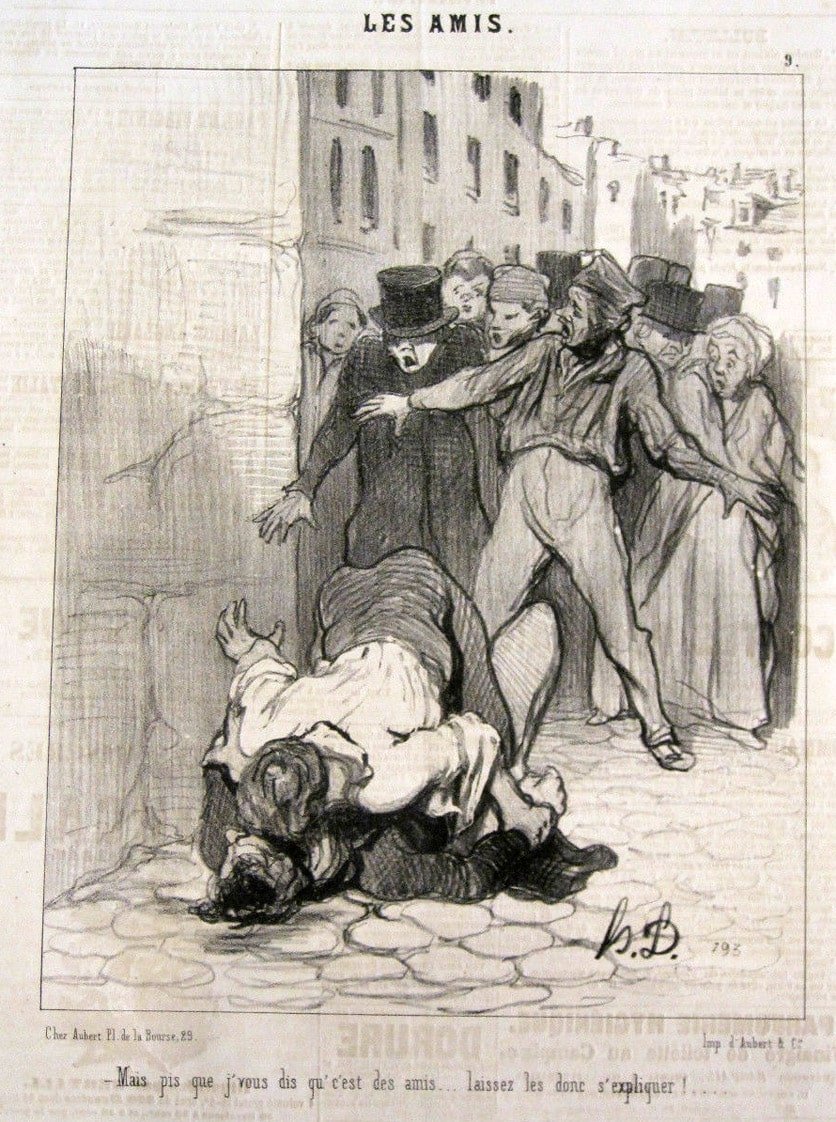
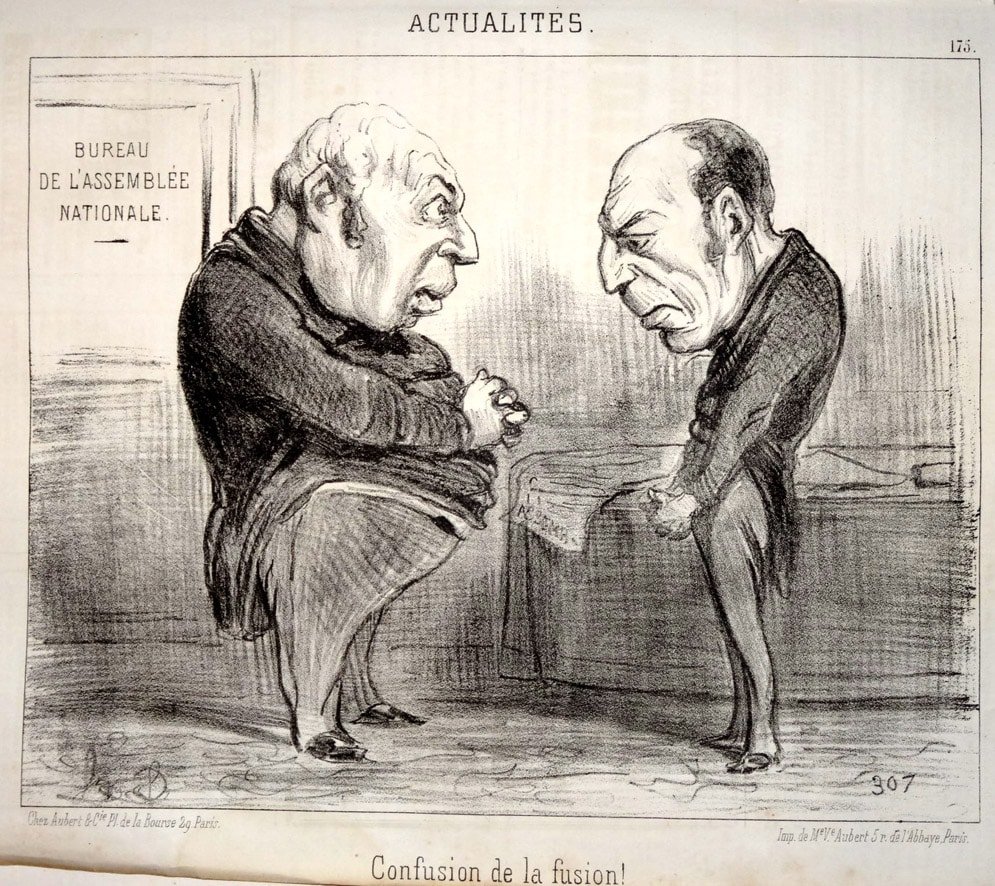
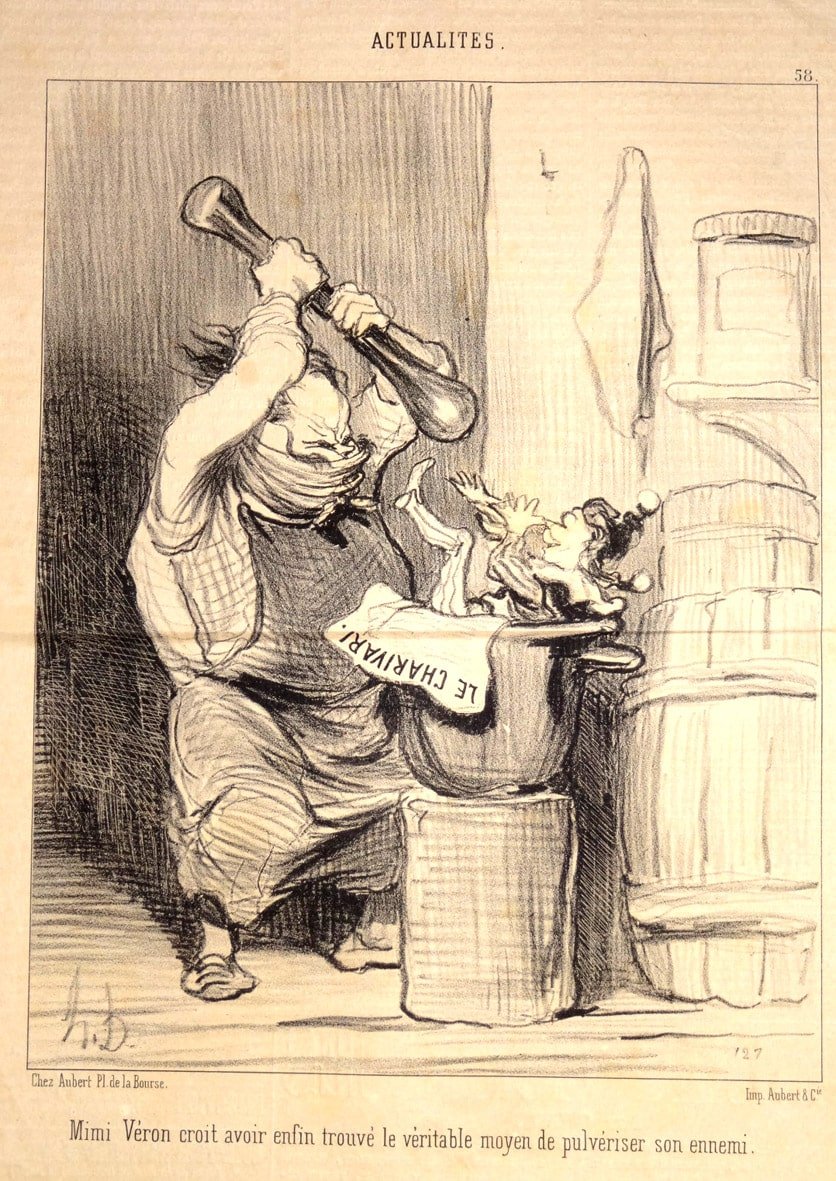
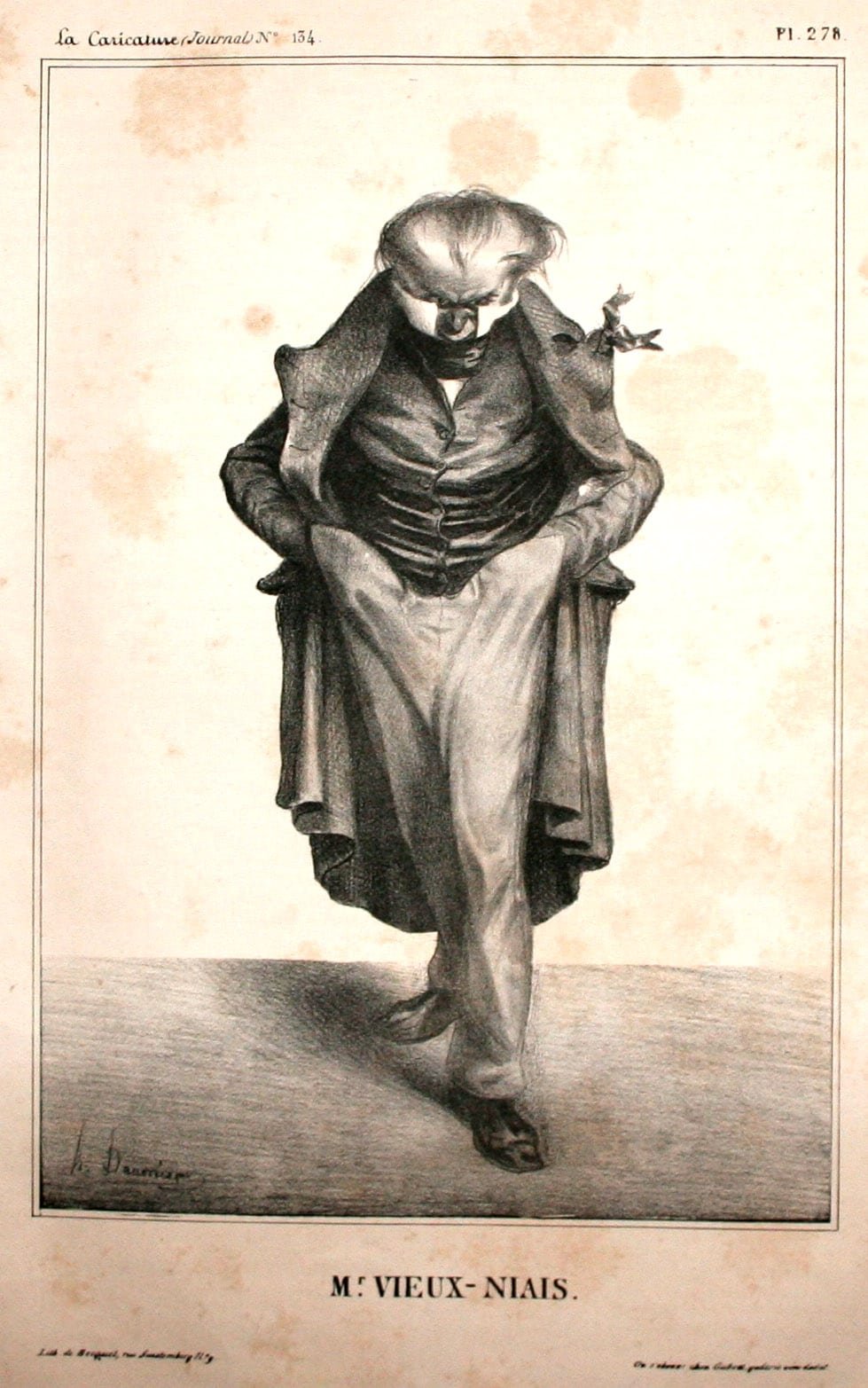
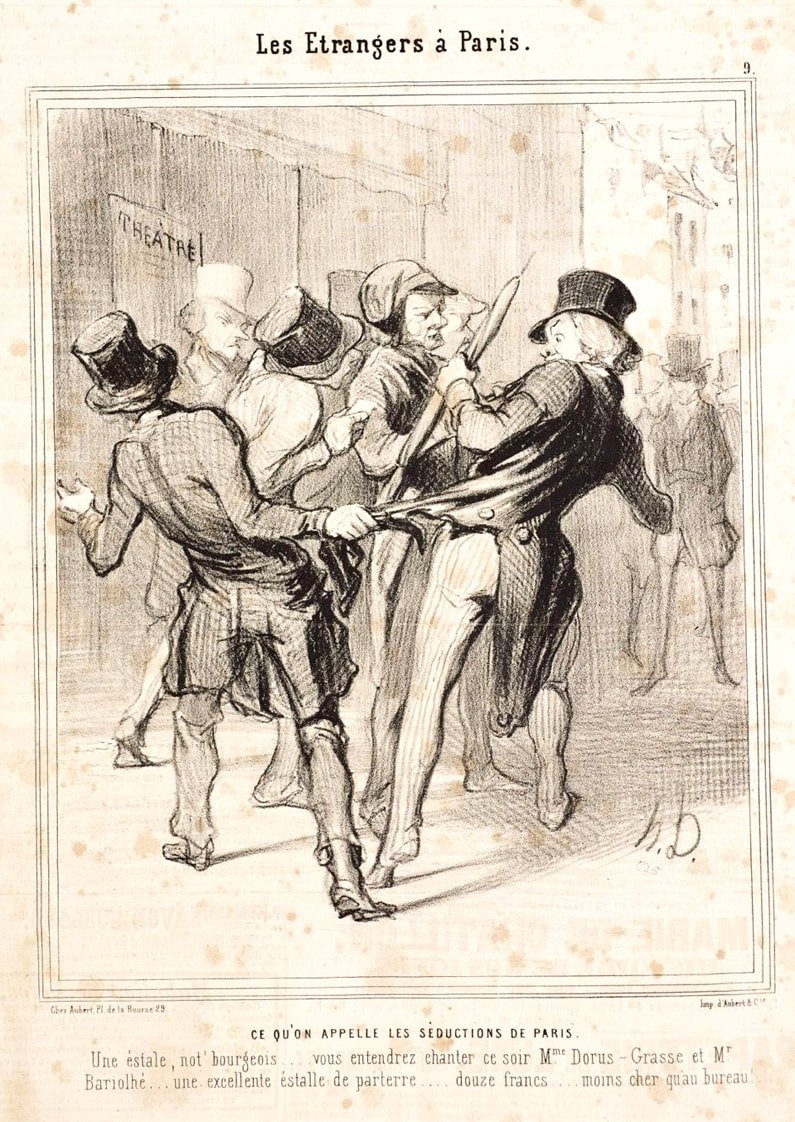
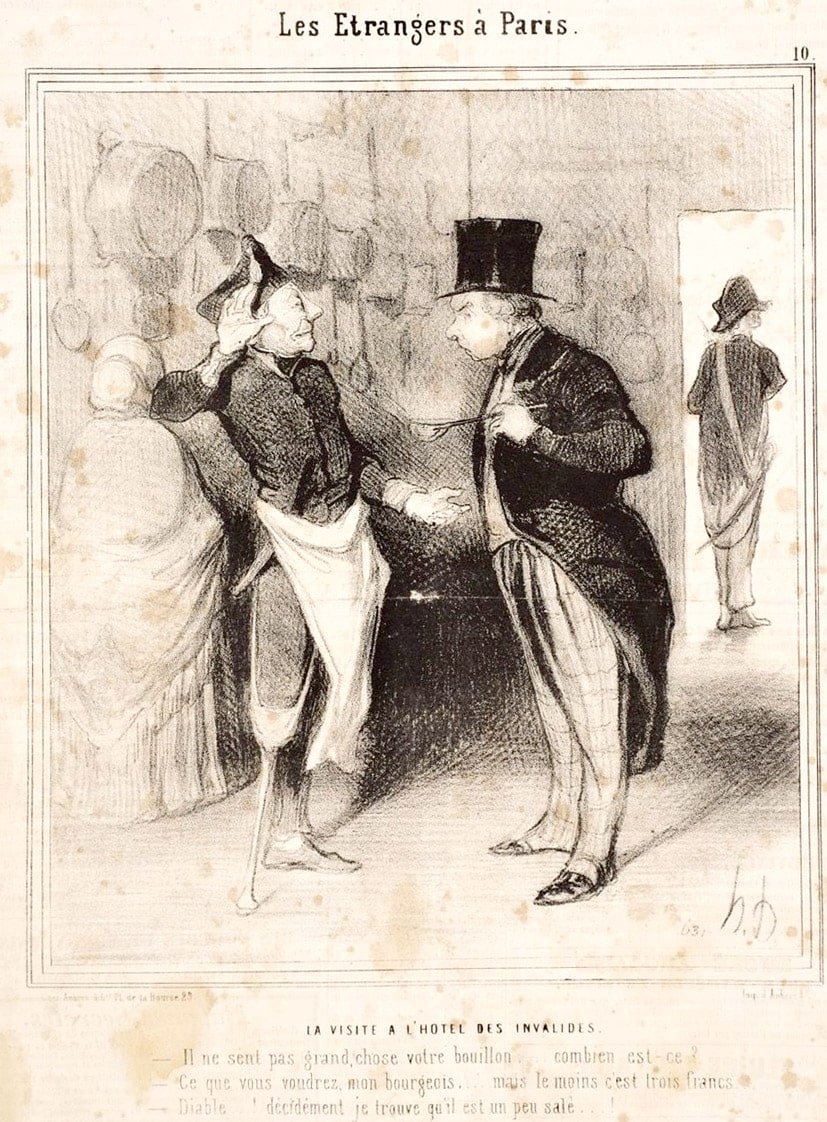
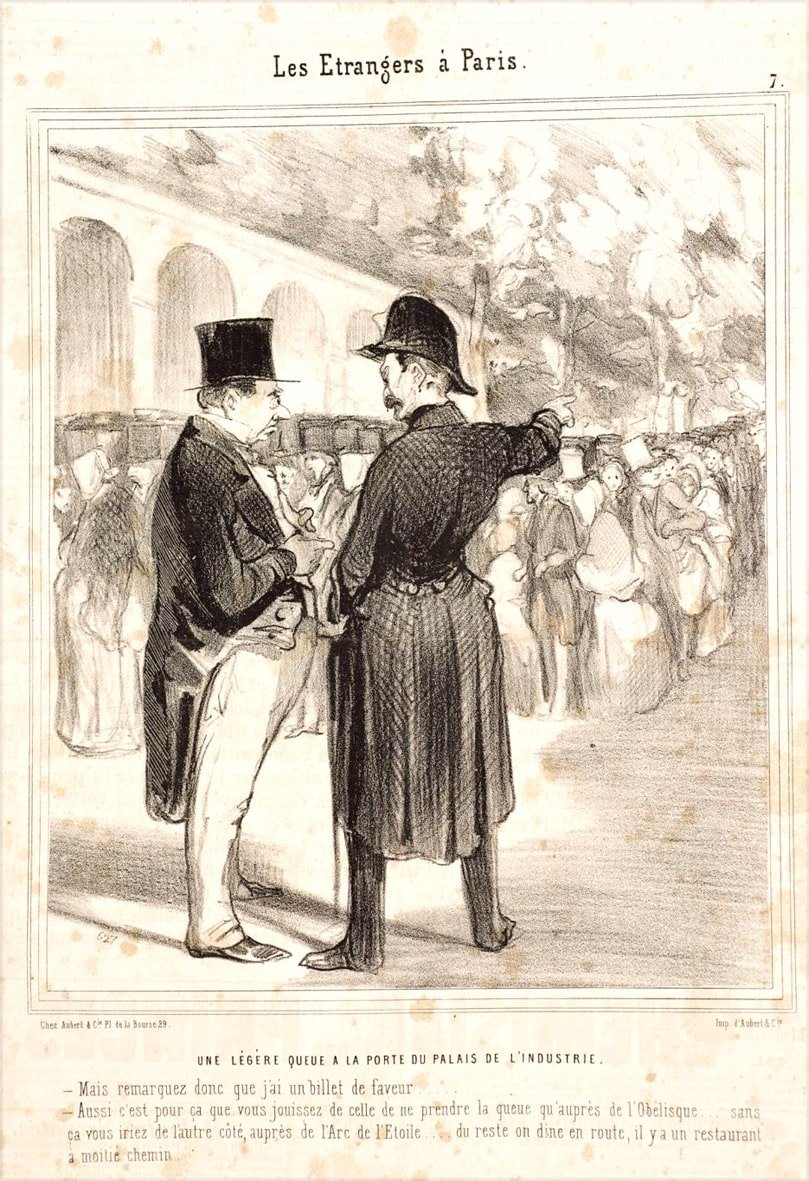
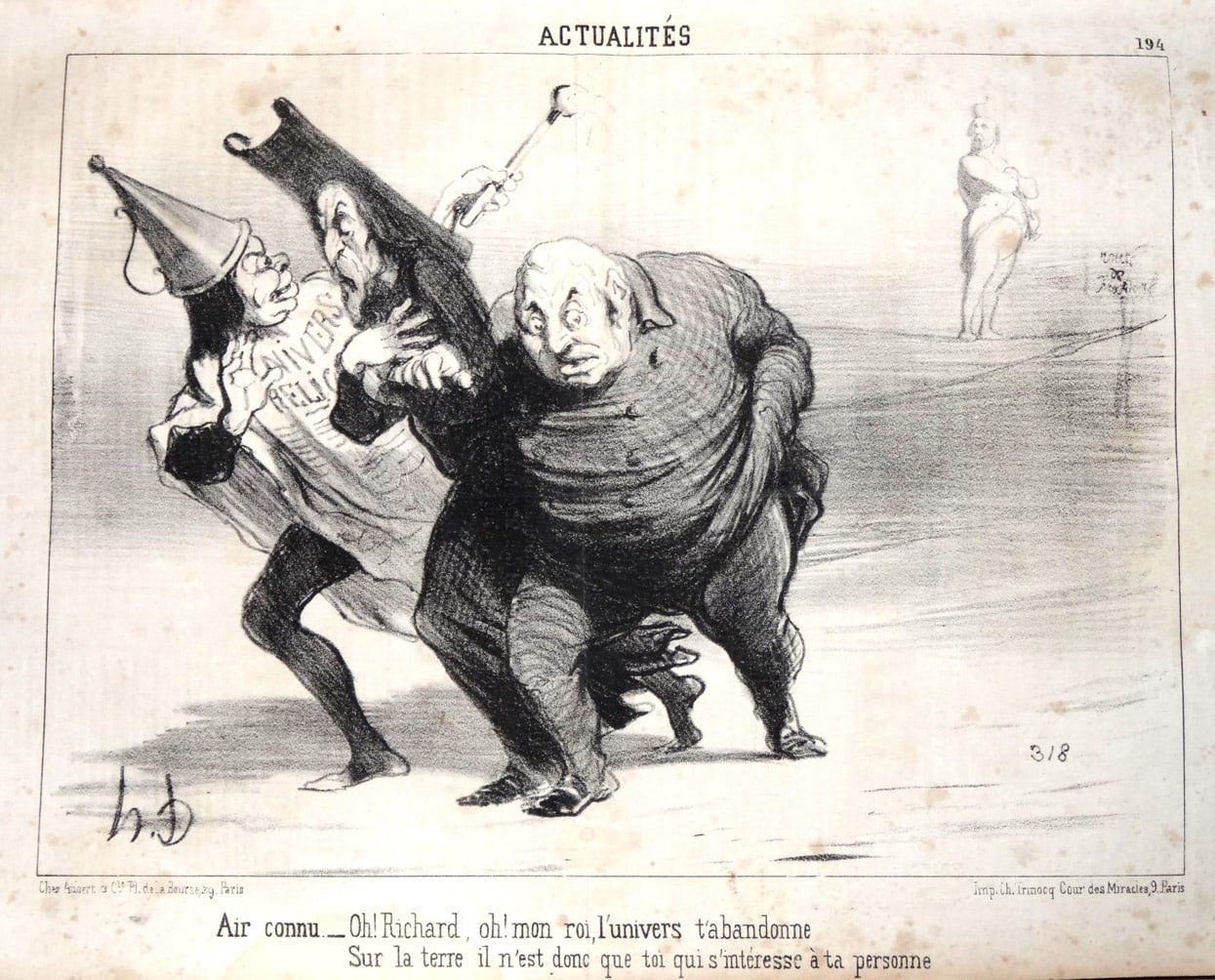
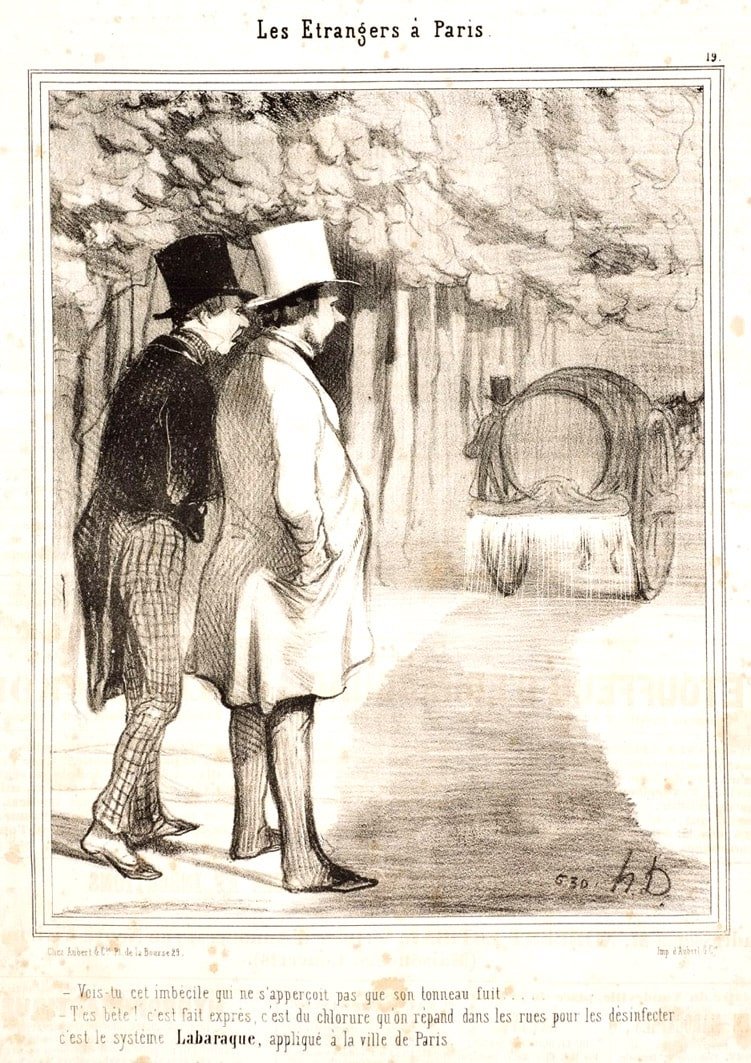
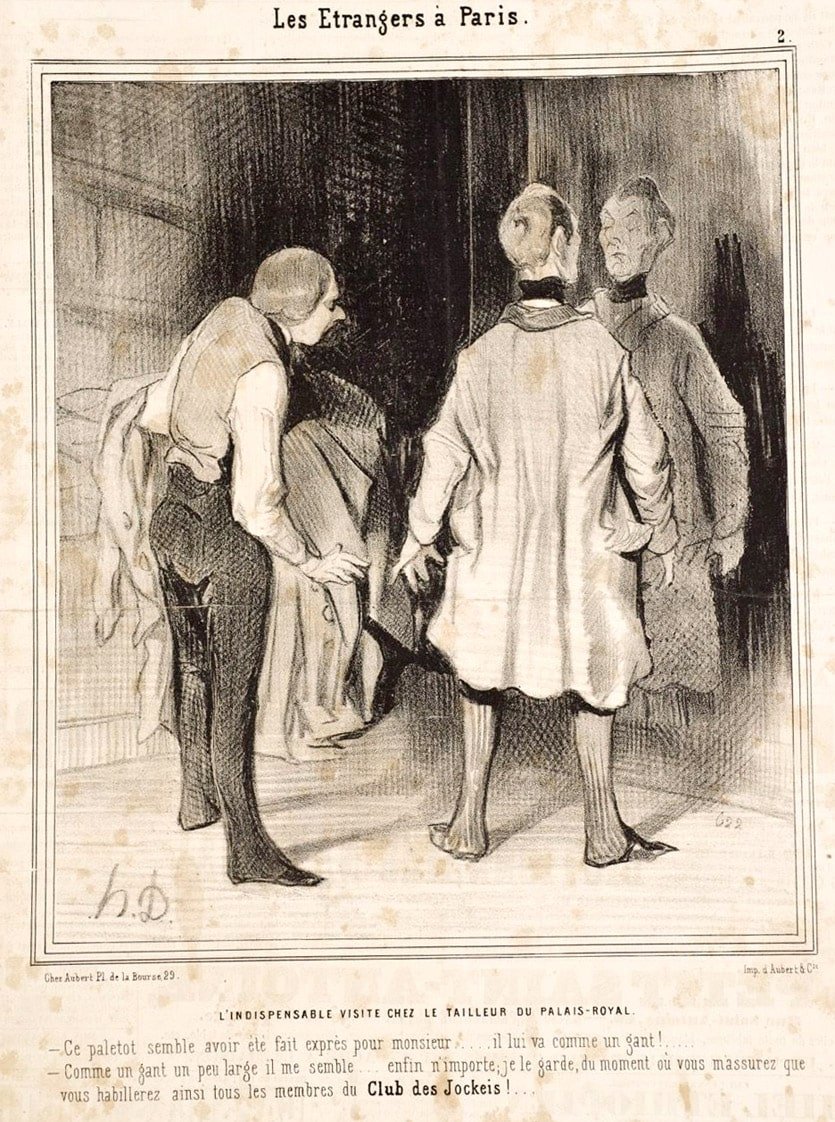
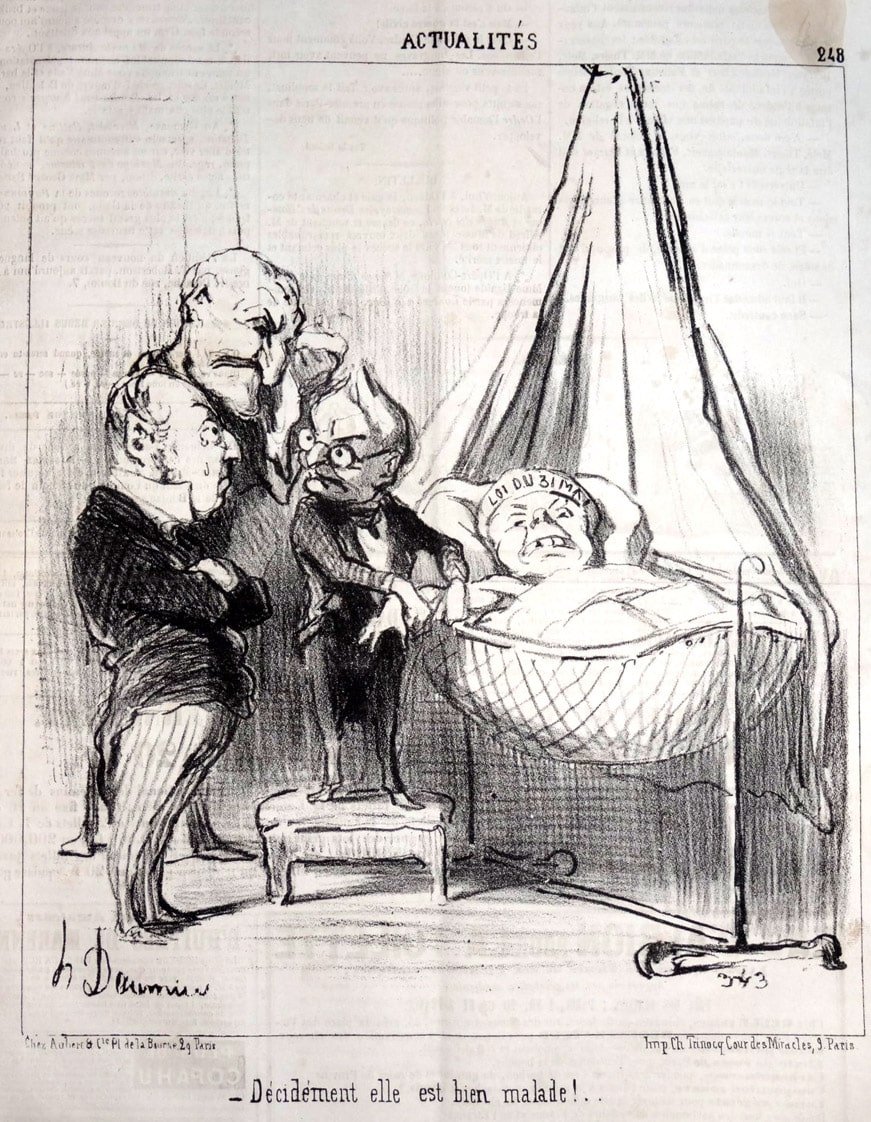
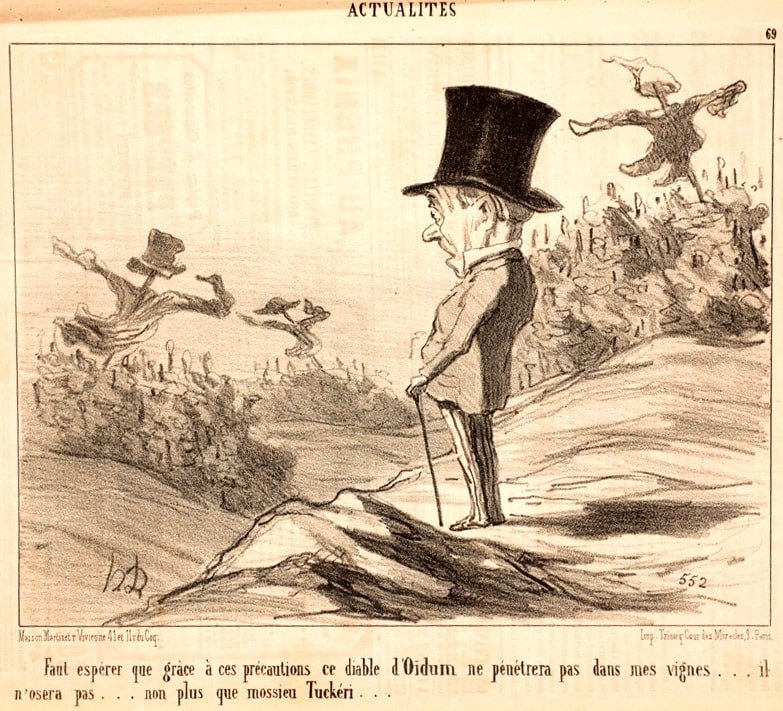
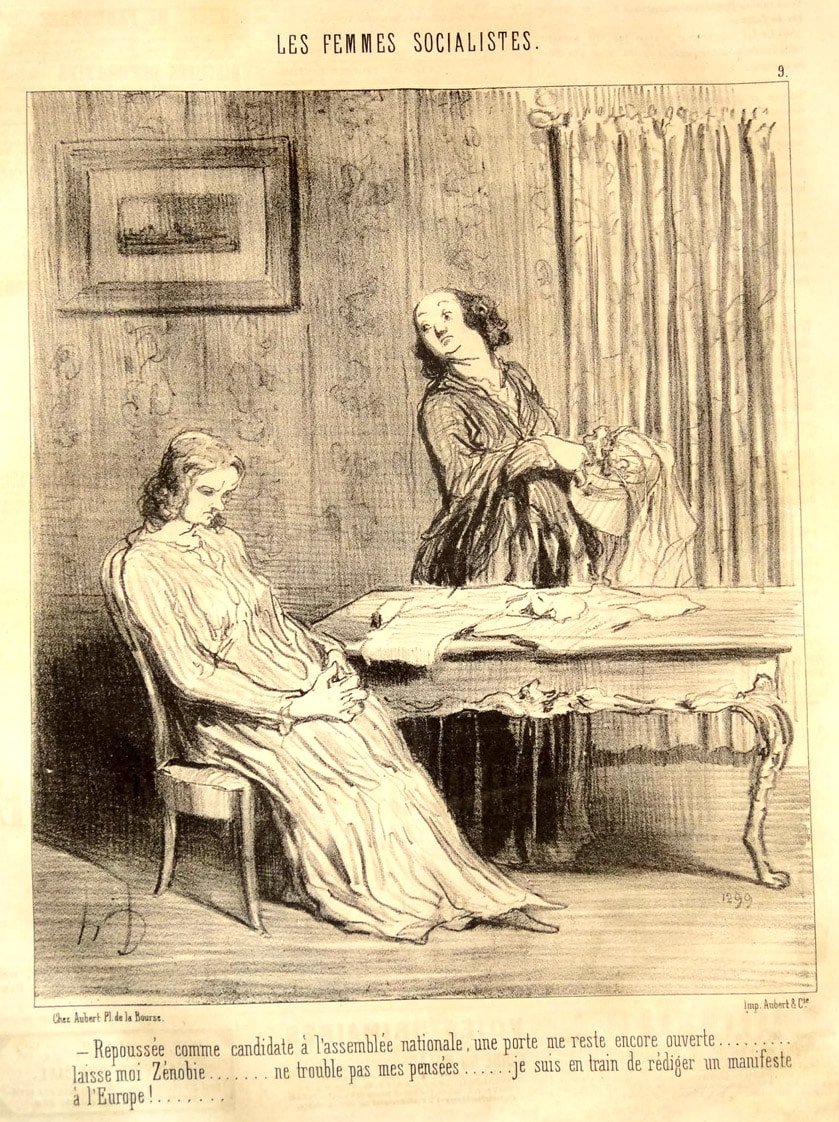
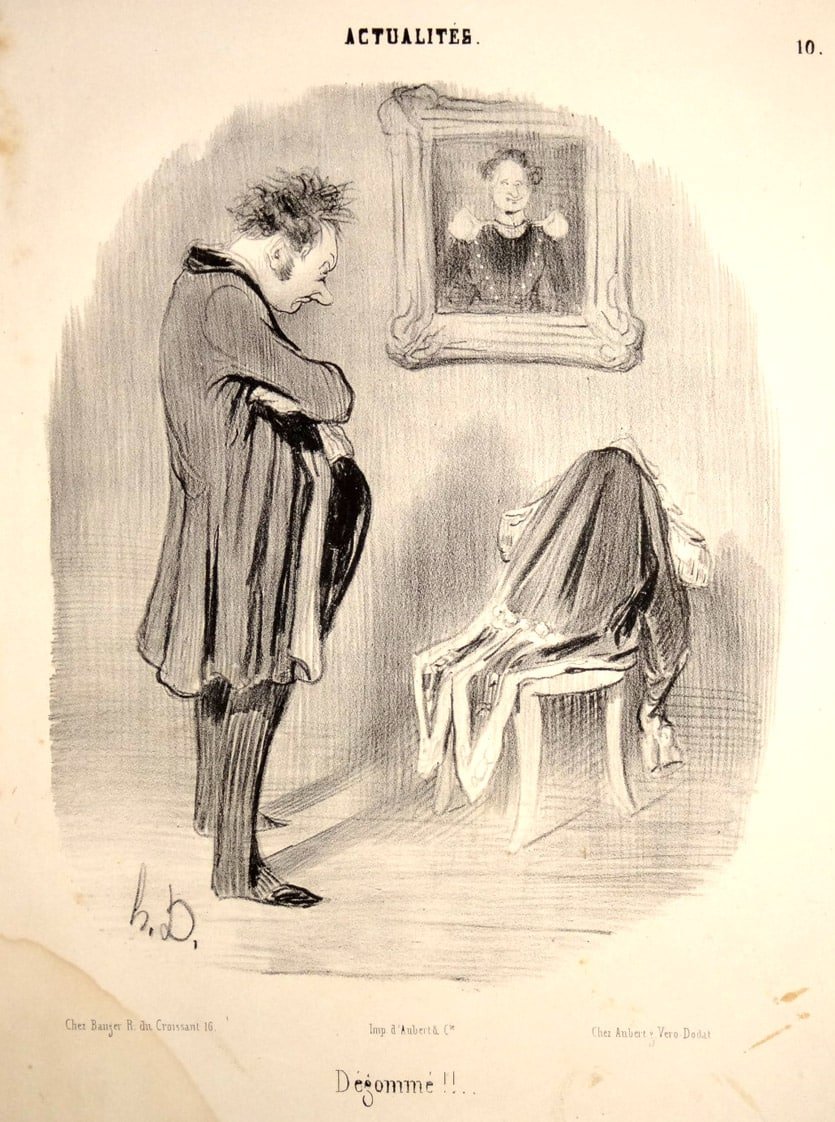
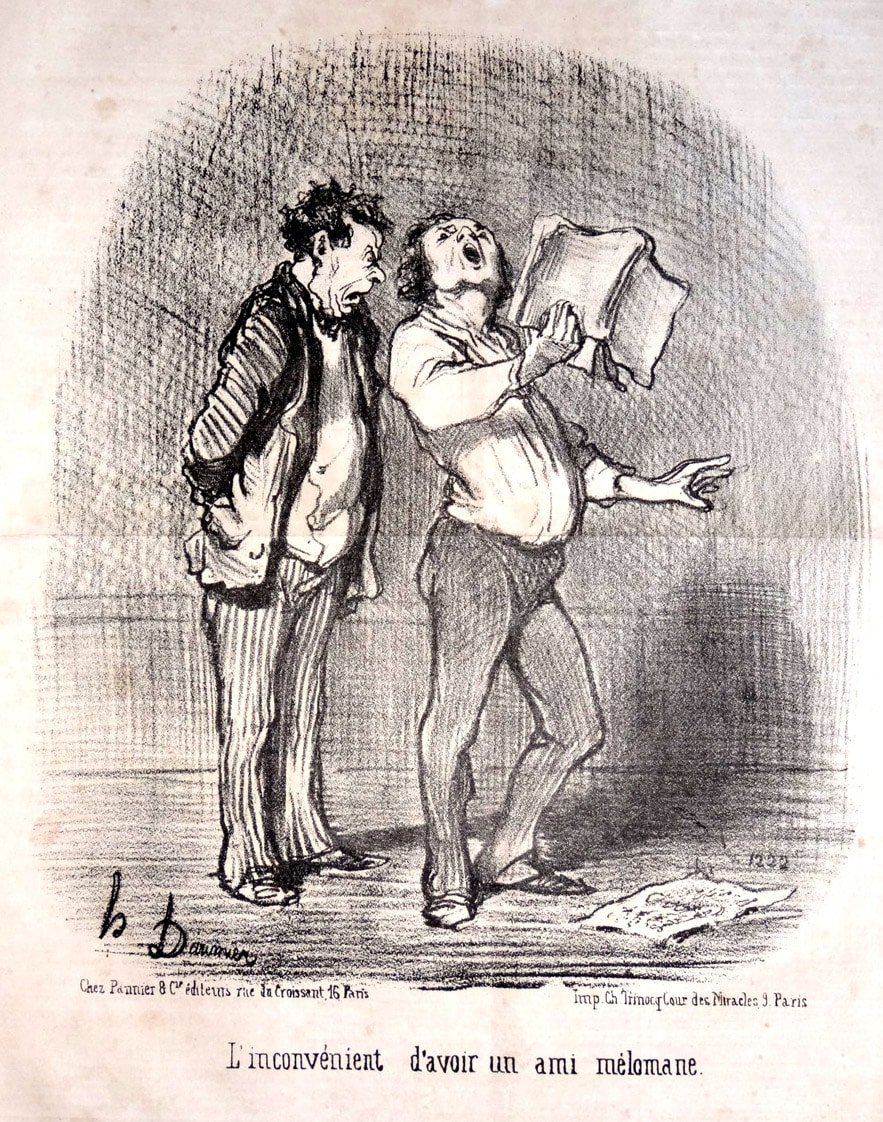
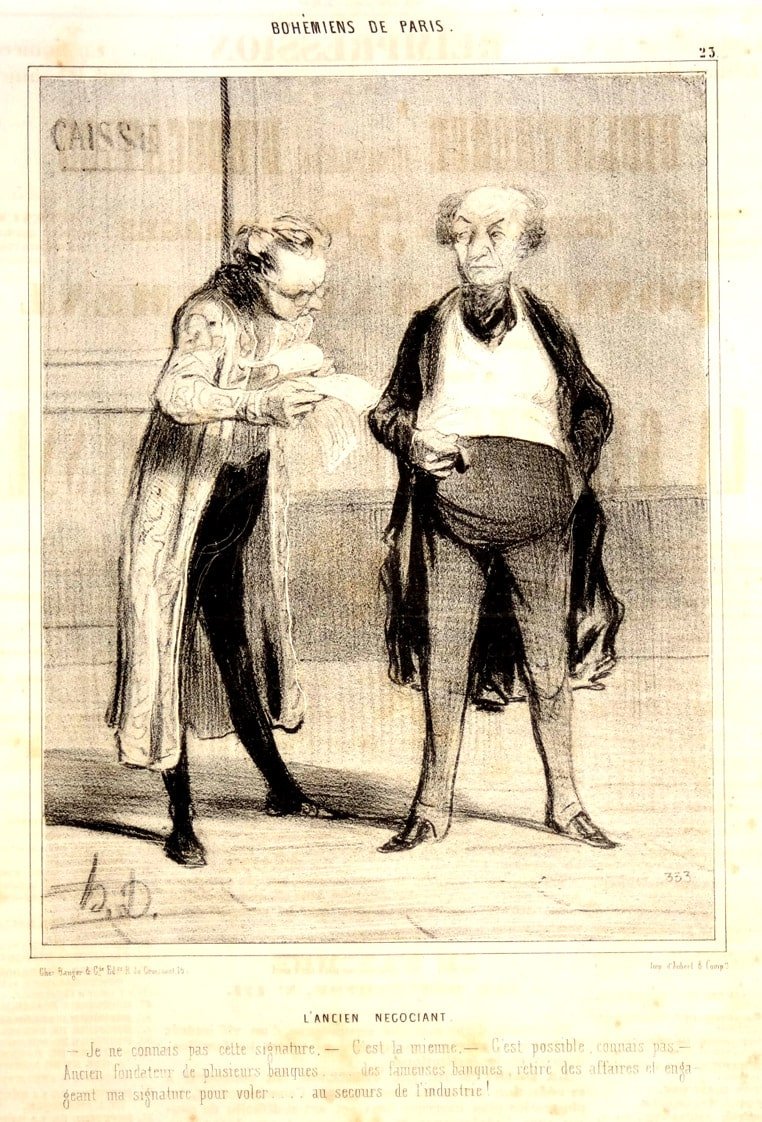
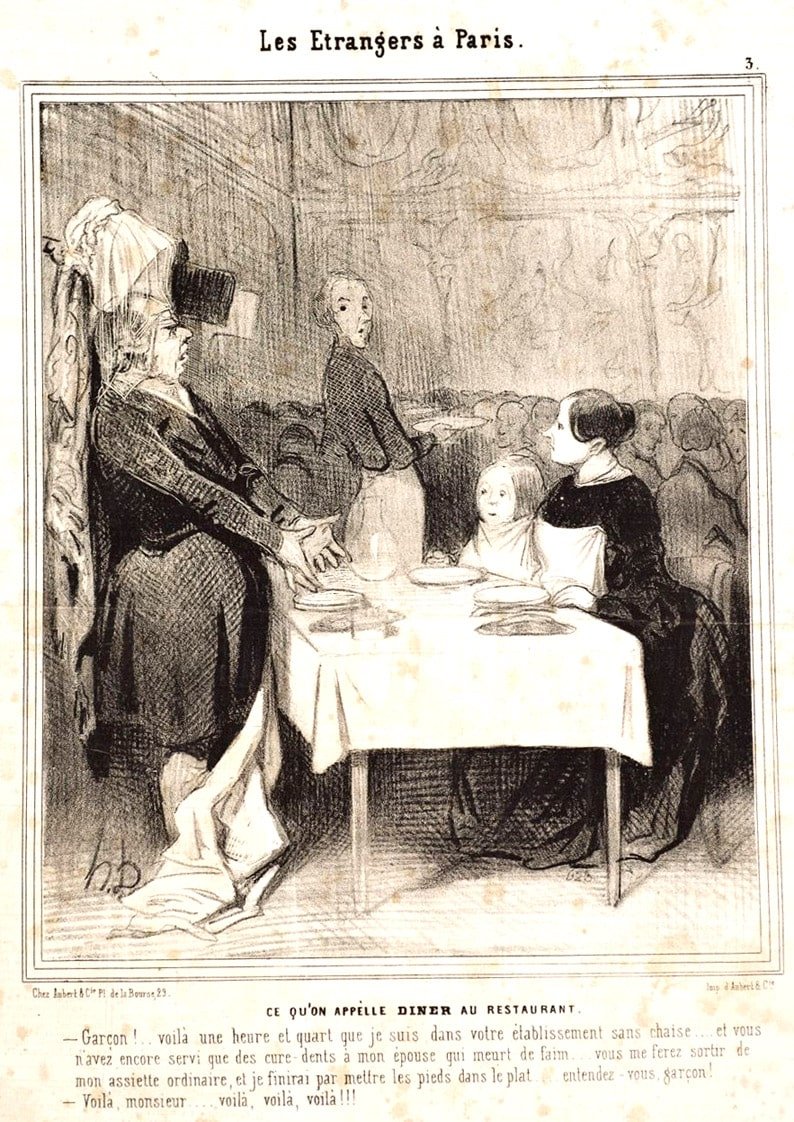
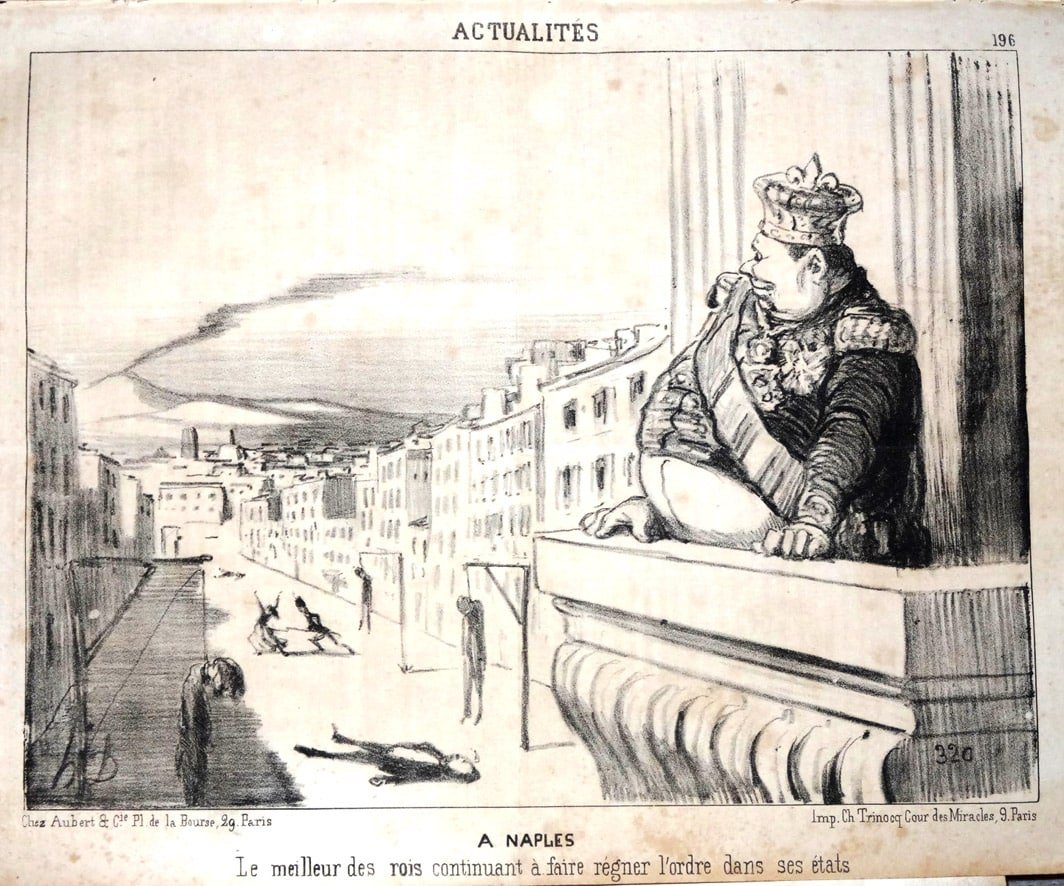
19 lithographs · Honoré Daumier
Elsewhere in Culture
In brief
- Honoré Daumier (1808–1879) produced nearly 4,000 lithographs in 40 years for Le Charivari — the most abundant satirical œuvre of the 19th century.
- His Gargantua (1831), showing Louis-Philippe swallowing the wealth of the poor, earned him 6 months in prison.
- A complete artist — hundreds of oil paintings — he aspired to be recognised as a painter; it is as a caricaturist that he changed history.
- This chapter presents 19 annotated works; the table below deciphers his four major lithographs, from The Legislative Belly to Rue Transnonain.
| Work | Year | Target | What it shows |
|---|---|---|---|
| Gargantua | 1831 | Louis-Philippe | The king swallows the wealth of the poor. 6 months in prison for Daumier. |
| The Legislative Belly | 1834 | Parliamentarians | Massive group portrait of 35 members of the Chamber of Peers. |
| Rue Transnonain | 1834 | State repression | Shock document on the massacre of civilians by the Guard. |
| The Men of Justice | 1845–48 | The judiciary | Grotesque lawyers and judges — the corruption of bourgeois justice. |
— Sébastien Rieu